

You started this walk at a Carlisle primary school. You finish it nearly 2,000 years earlier — in a Roman city named after a Celtic god, in the heart of an empire that stretched from here to North Africa. Below your feet lies one of the most exciting archaeological sites in Britain. And the trail you've just walked, from Belle Vue to Tullie? It runs from the edge of a small Roman outpost to the centre of the city the Romans called Luguvalium.
A name from a Celtic god
In 72 AD, Roman soldiers from the Legio IX Hispana (the Ninth Legion) marched into what is now Carlisle and built a fort. They named it Luguvalium.
That name is the first clue to a much older story. Luguvalium comes from Lugus (also called Lugh) — a powerful Celtic god of harvest worshipped across the British Isles and parts of Europe long before the Romans arrived. Although little physical evidence remains of any settlement here before the Romans, the name tells us something important: the Celts were already here, and their god was being honoured at this place. The Romans didn't invent the name. They borrowed it.
A small fort near Belle Vue School
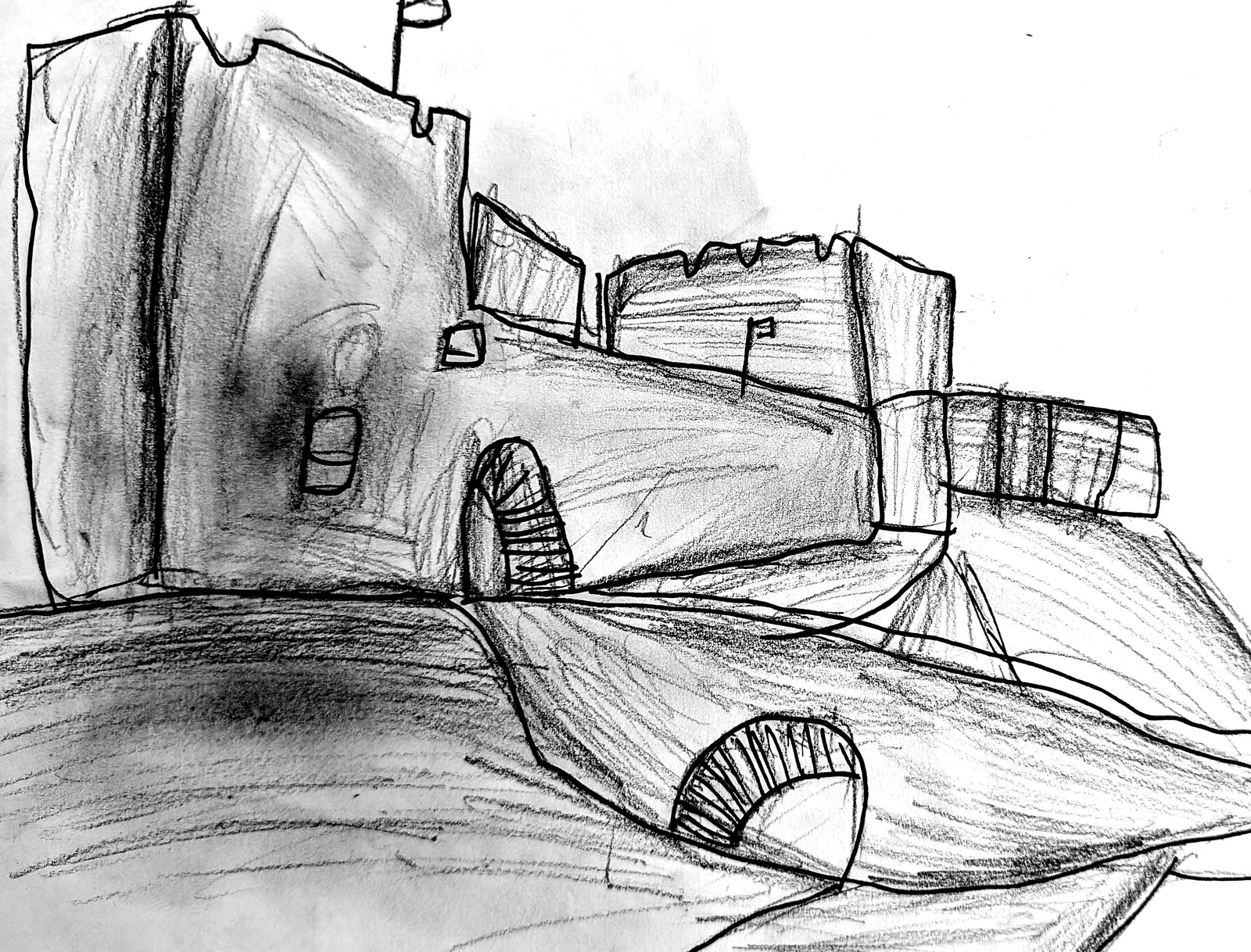
Here is something extraordinary that closes the loop of this trail. Old maps show that there was a small Roman fort about two miles west of Carlisle's centre, in the area where Belle Vue Primary School stands today.
There is hardly any physical evidence of it left — just lines on old maps and a place name or two. But it means that the trail you've just walked goes from the edge of one Roman fort to the heart of another. When the children of Belle Vue look east across the Spider field, they may be looking out from the very ground a Roman soldier once stood on, watching the same horizon.
Hadrian, the wall and the cavalry fort
In 122 AD, the Roman Emperor Hadrian visited Britain and ordered the building of his famous wall — Hadrian's Wall — to mark the empire's northern edge. The Wall runs right past Carlisle, and just north of the city centre was the fort of Uxelodunum (later renamed Ala Petriana) at Stanwix.
Stanwix was no ordinary fort. It was the largest cavalry fort on the entire length of Hadrian's Wall — home to up to a thousand mounted soldiers, the most important garrison on the whole frontier.
The bathhouse beneath the cricket pitch
In 2017, Carlisle Cricket Club hired archaeologists to do a routine evaluation of the ground where they wanted to build a new pavilion. What they found stunned everybody.
Beneath the cricket pitch lay an enormous Roman bathhouse — now believed to be the largest known building anywhere along Hadrian's Wall. Roof tiles stamped with the letters "IMP" (short for Imperator, meaning Emperor) were uncovered, along with a dedication stone to Julia Domna, the wife of Emperor Septimius Severus.
This was no small provincial bath. The stamped tiles and the imperial dedication suggest a direct link between Carlisle and the Emperor himself. Severus is known to have travelled to northern Britain around AD 208–211. It is entirely possible — even likely — that he came in person to Luguvalium.
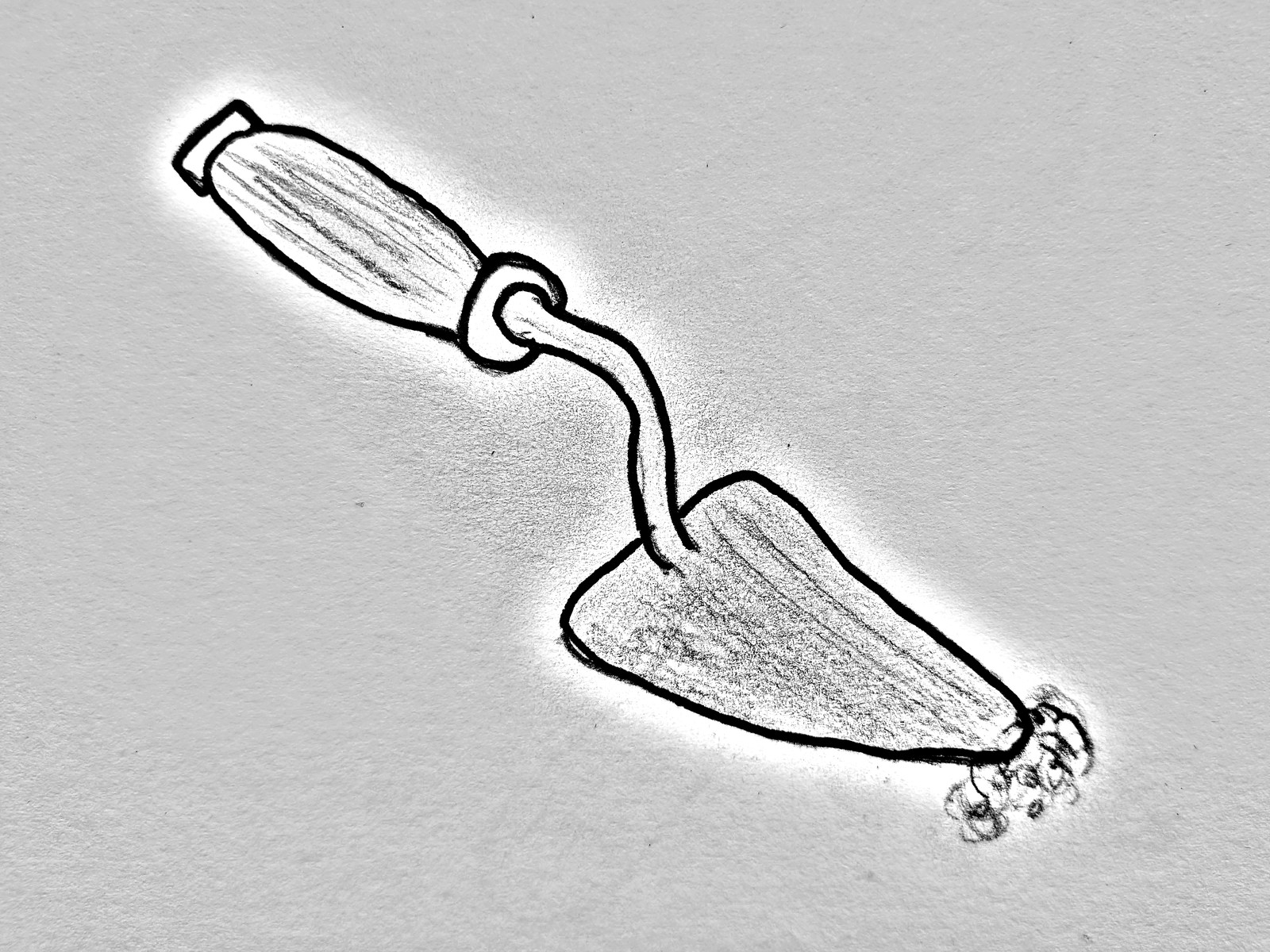
The excavation has continued every year since 2021, with a team of professional archaeologists and volunteers. Stone heads, beautifully carved gemstones, and even more imperial-stamped tiles have come out of the ground. The project is called Uncovering Roman Carlisle, and the dig is still going on now.
Three forts on the same ground
From 1998 to 2001, archaeologists working at Castle Green (just by Carlisle Castle) uncovered the outlines of three successive Roman forts, built and rebuilt on the same patch of ground. The first was made of timber. Later ones were stone. Around them grew a Roman civilian town, the vicus, with industries including tanning and copper working. By the third century, Luguvalium was a walled town in its own right — possibly even the capital of the Roman province of Valentia.
Touching Luguvalium
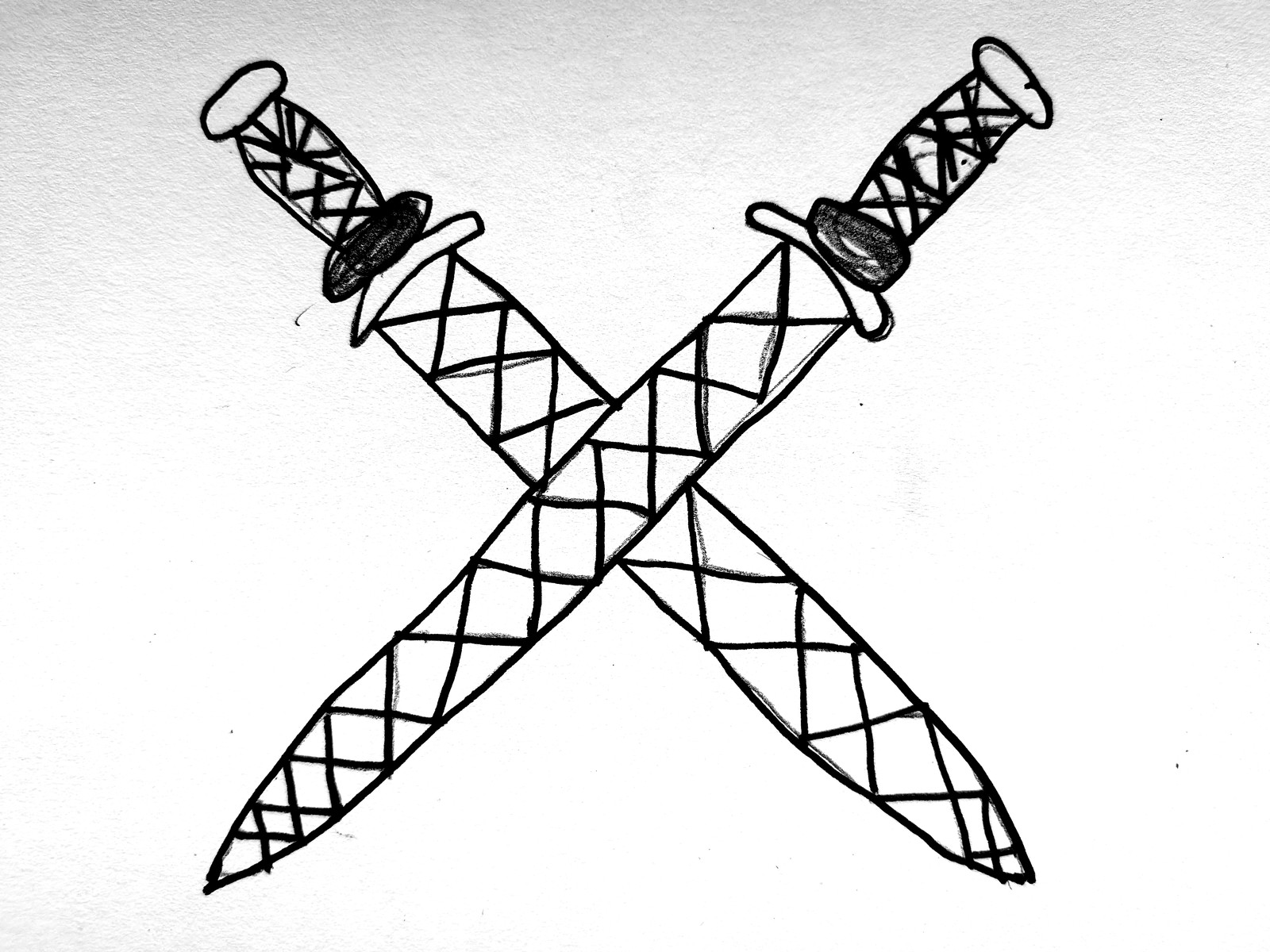
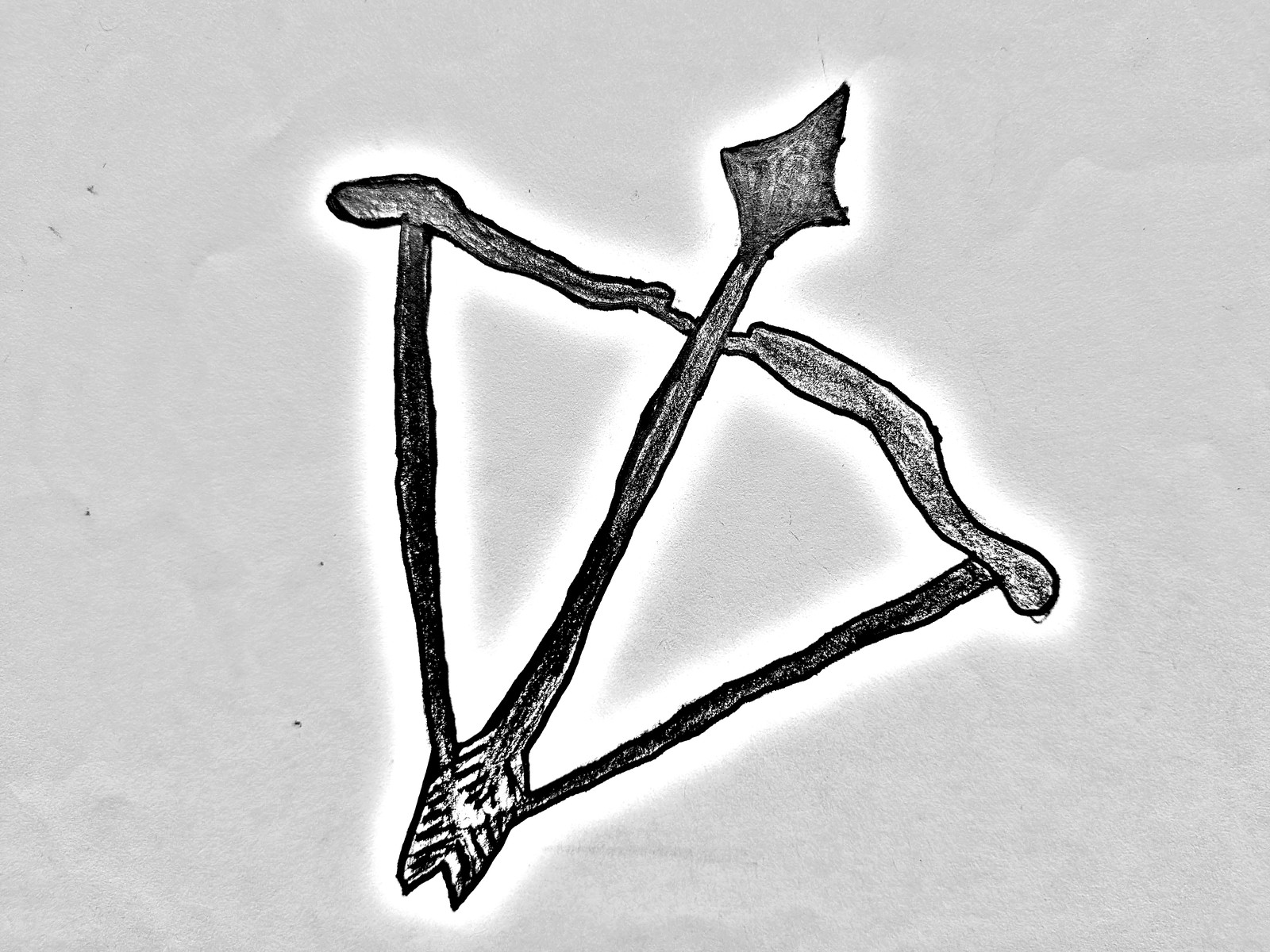
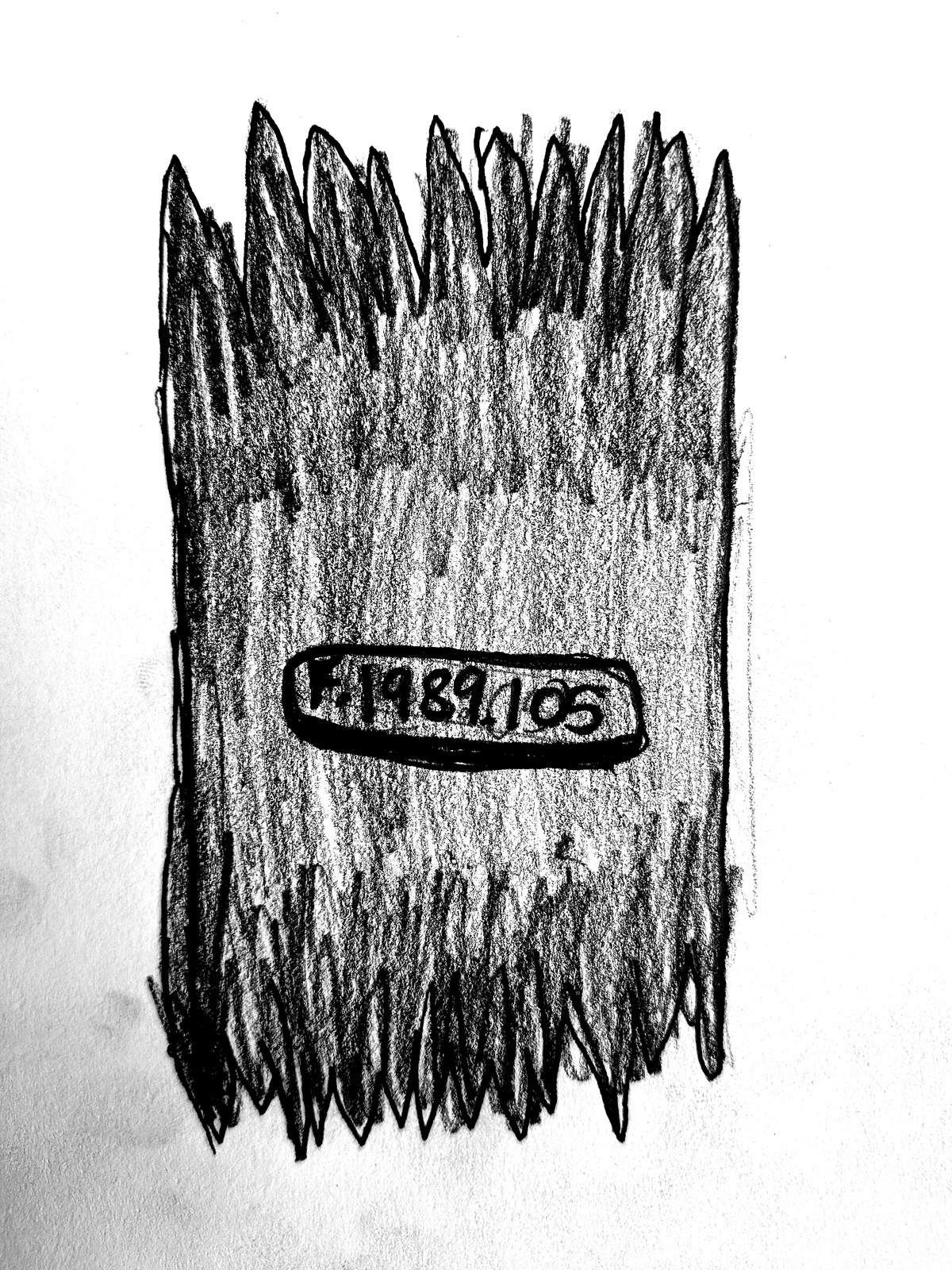
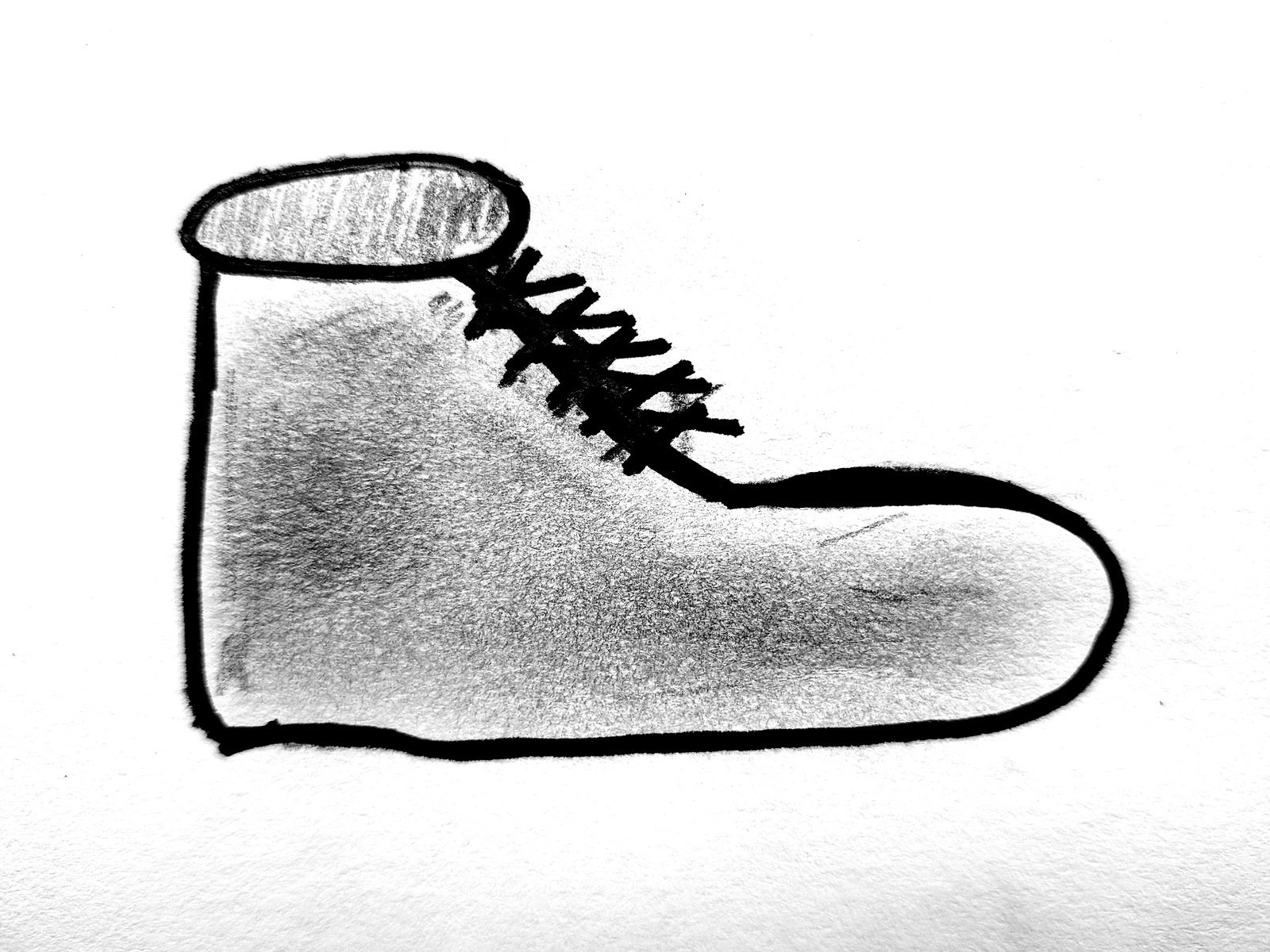
Tullie's collection holds some remarkable Roman objects from Carlisle: a Roman boot (an extraordinary survival of leather after nearly 2,000 years); a head pot showing a Celtic god, proof that Celts and Romans were living side by side; the sword of a Roman soldier; carved intaglios (gemstones set into rings); a mallet head used for putting up tents; bone pins; a bone die marked with dots (Romans gambled too); a bone sword handle; pieces of red Samian pottery; a sandstone quern for grinding grain; and — perhaps most exciting of all — two writing tablets with Roman inscriptions: actual words written by people who lived here.
People to know
Lugus (Lugh)
Celtic god of the harvest
The god whose name became Carlisle. He was worshipped across the British Isles and parts of mainland Europe long before the Romans came — and his name survived the Romans, the medieval period, and over a thousand years more.
Emperor Hadrian
Emperor 117–138 AD
Commissioned the building of Hadrian's Wall in 122 AD, the empire's northern frontier. A curious fact: he was the first Roman emperor to be shown in statues with a beard.
Emperor Septimius Severus
Emperor 193–211 AD
During his reign, the great bathhouse at Carlisle was built. The number of "IMP" stamped tiles suggests a personal interest. He campaigned in northern Britain around AD 208–211 — and may well have come to Luguvalium himself.
Empress Julia Domna
Wife of Septimius Severus
The Carlisle bathhouse appears to have been dedicated to her. A Roman empress with a direct connection to this city on the very edge of the empire.