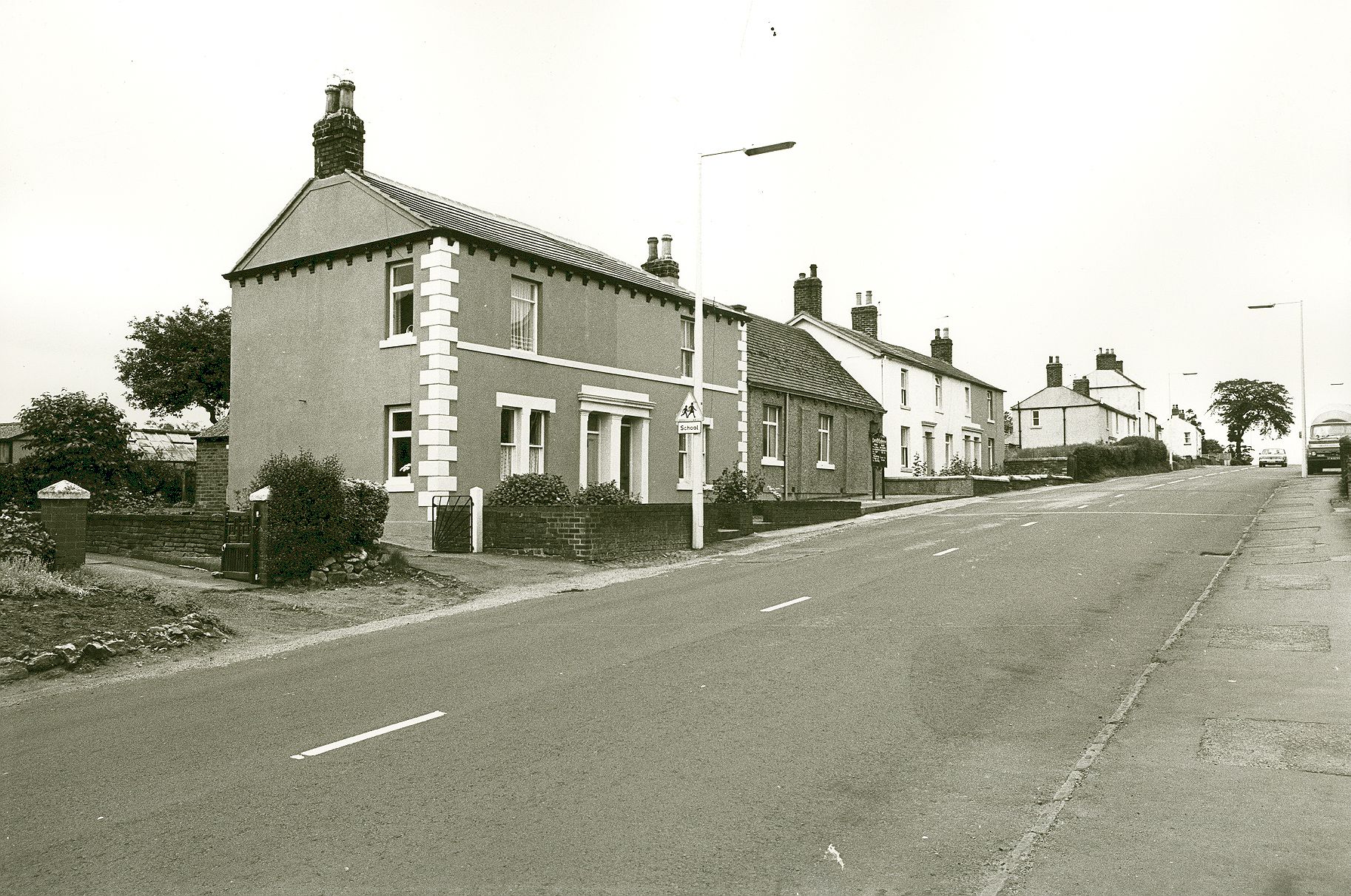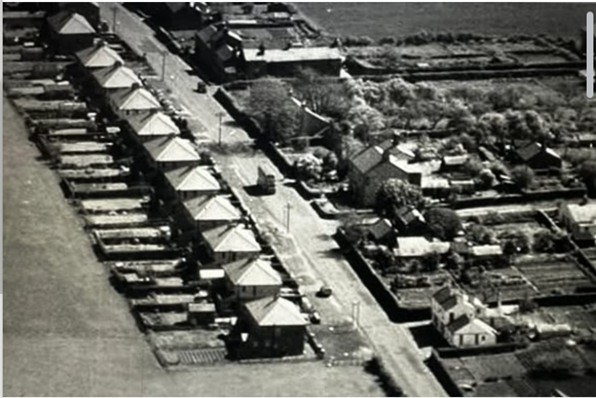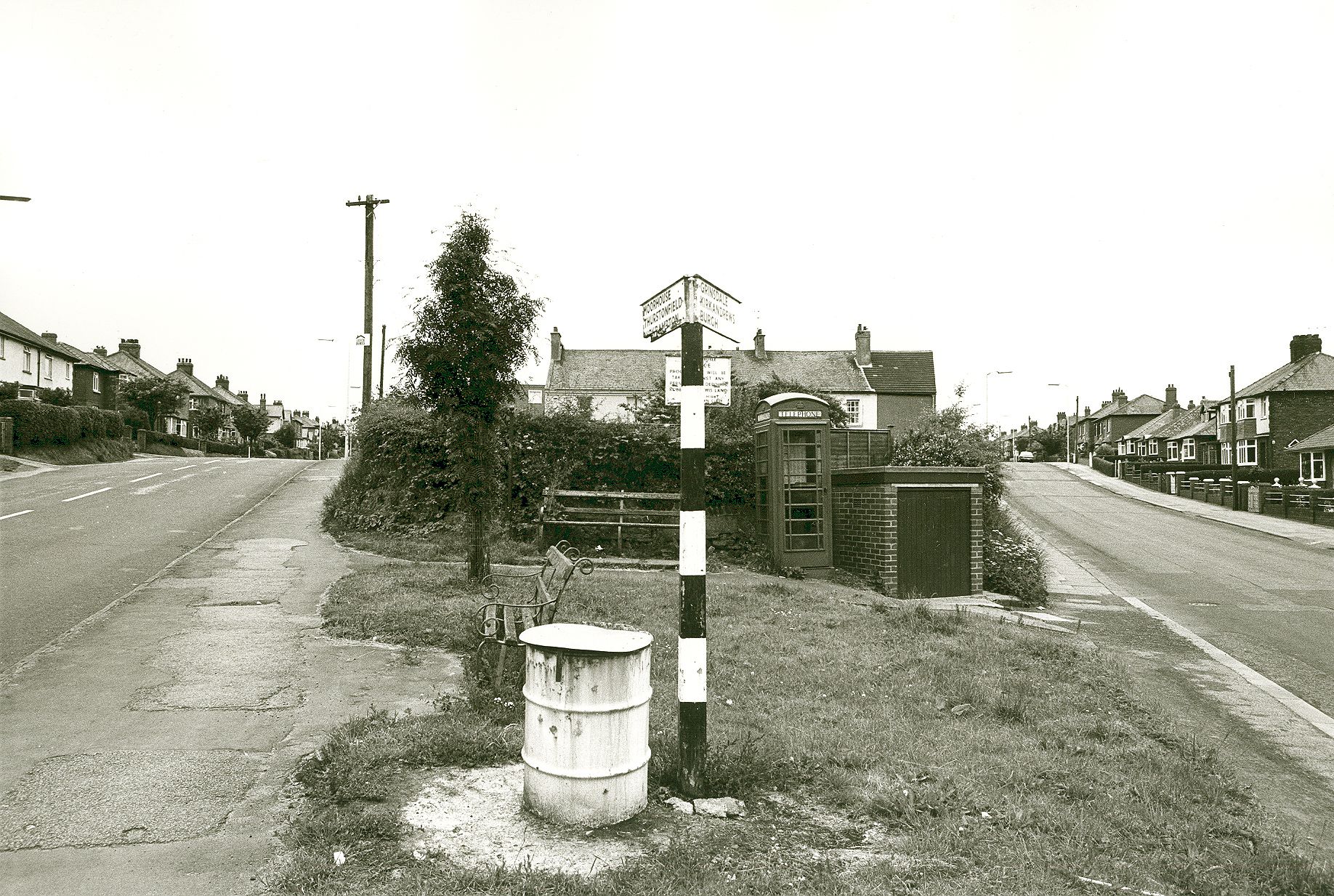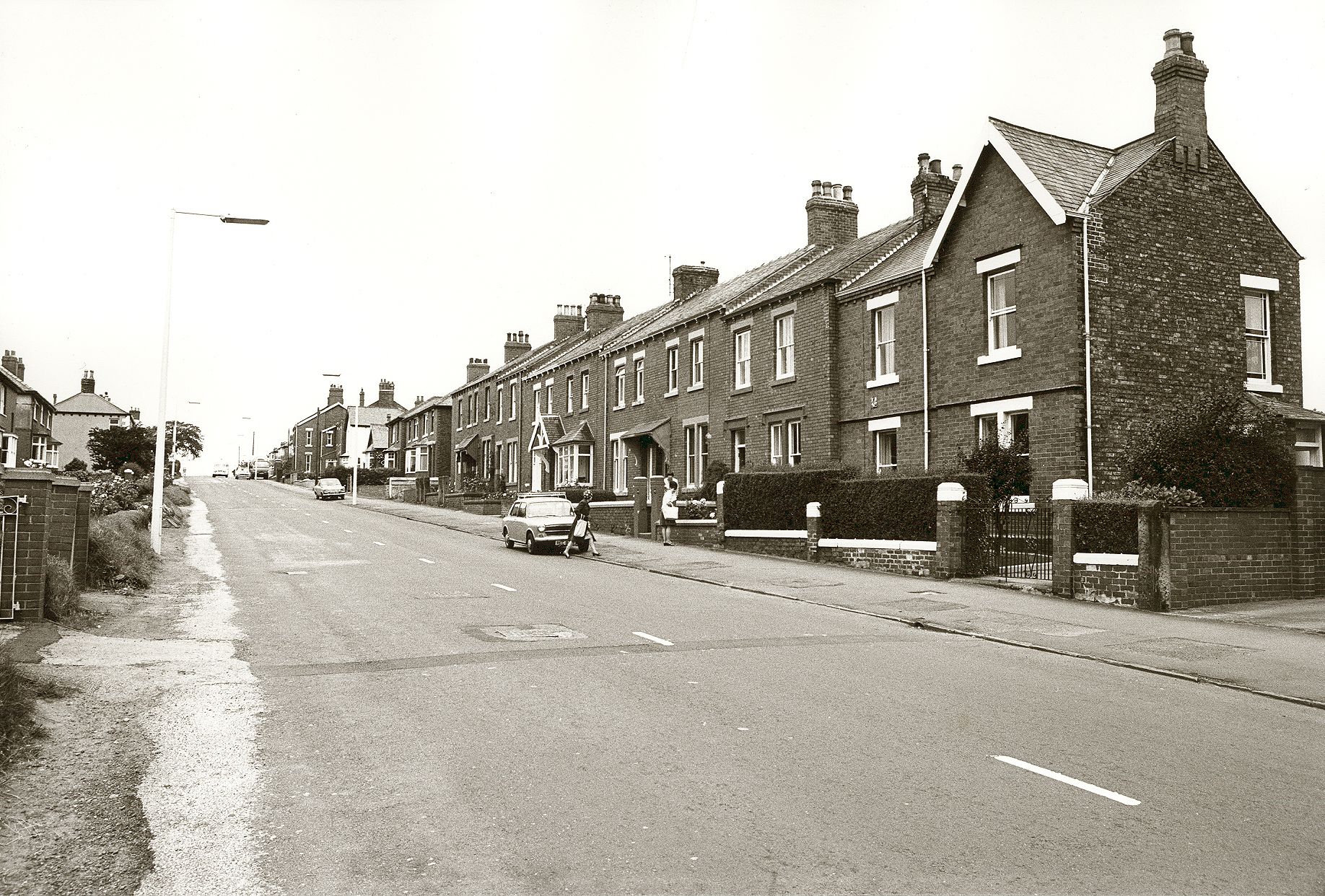

Welcome to Belle Vue — French for "a beautiful view." Look east from the school's Spider field, towards the great tree, and the North Pennines rise on the horizon. South lie the Caldbeck fells. Just a few hundred yards to the north, Hadrian's Wall once ran across the land. But Belle Vue's most surprising story isn't Roman or medieval — it's about a man who gave away his land so that the poor of Carlisle could have somewhere to grow food.
A gift to the poor weavers
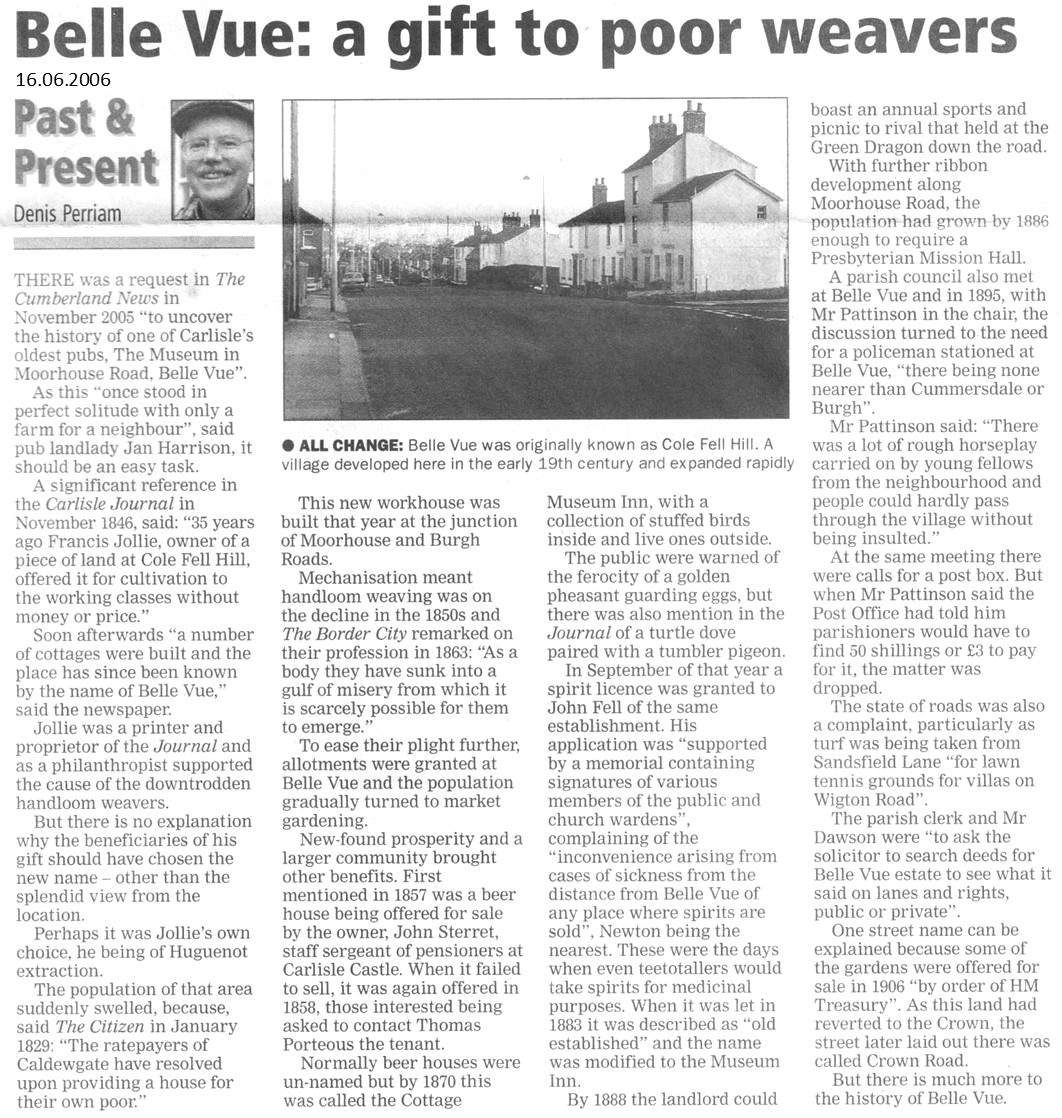
In November 1846, the Carlisle Journal looked back on a remarkable act of kindness. The newspaper wrote: "35 years ago Francis Jollie, owner of a piece of land at Cole Fell Hill, offered it for cultivation to the working classes without money or price."
That gift was made around 1811 — and it came at a really difficult time for the people of Carlisle. Down the hill in Caldewgate, hundreds of handloom weavers were facing ruin. New machines in the big factories could make cloth faster and cheaper than people could at home. By 1863, one writer said the weavers had "sunk into a gulf of misery from which it is scarcely possible for them to emerge."
So who was Francis Jollie? He was a Carlisle printer — the man who ran the Carlisle Journal itself — and he was known for helping the downtrodden weavers. His family came originally from France (they were Huguenots, French Protestants who fled to Britain). That French background might be why the area got its French name: Belle Vue. The newspaper said that soon after Jollie's gift, "a number of cottages were built and the place has since been known by the name of Belle Vue."
In January 1829, another paper called The Citizen reported that the ratepayers of Caldewgate had "resolved upon providing a house for their own poor." A new workhouse was built that same year at the junction of Moorhouse and Burgh Roads. As the weaving trade collapsed through the 1850s, the people at Belle Vue were given allotments to grow vegetables — and slowly the area turned from poverty to a new kind of life as market gardeners.
The Museum: drovers, taxidermy, and a turtle dove
The Museum pub on Moorhouse Road probably started life as a farmhouse — sometime in the late 1700s it was turned into a roadside inn to feed and water the drovers. Drovers were people who walked huge herds of cattle, sheep and even geese miles into Carlisle on market days. Back then the inn stood on its own — as one old landlady put it, "in perfect solitude with only a farm for a neighbour."
The first written mention of the pub came in 1857, when a beer house here was put up for sale by its owner, John Sterret. He was a staff sergeant in charge of the pensioners at Carlisle Castle. By 1870 it was called the Cottage Museum, and that year it was granted a licence to sell spirits as well as beer. The church wardens even signed a letter supporting this, complaining about "the inconvenience arising from cases of sickness from the distance from Belle Vue of any place where spirits are sold." In those days, even people who never normally drank would take spirits if they were ill — they were used as medicine.
In 1875 the name was shortened to just The Museum — and the landlords really did make it a museum of sorts. They kept a famous collection of taxidermy (stuffed animals) inside the pub, with live birds outside in the yard. By 1888 the landlord could boast of "a golden pheasant guarding eggs" and, even more curiously, "a turtle dove paired with a tumbler pigeon." Every year, The Museum held a big sports day and picnic that was said to rival the one at the Green Dragon down the road.
The lost pubs of Belle Vue
For such a small area, Belle Vue once had a surprising number of pubs — and most of them have now disappeared. The Green Dragon was first mentioned all the way back in 1780, and closed in 1996; it's a house today. The Pedestrian Arms had several names over the years: it was the White Whey (Ox) from 1847, the North British Railway Arms from 1868, and finally the Pedestrian Arms under Carlisle's famous State Management Scheme — until it closed in 2012 and was knocked down. The Border Reiver on Holmrook Road has its own special claim to fame: when it opened in May 1971, it was the very last pub ever built by the State Management Scheme. Today, only The Museum is still standing.
A canal that ran through history
Just down the hill, the Georgian-era Knockupworth Hall got its unusual name from a much older place name — Cnochubert, first recorded in 1290. Cnoc is an Irish word meaning "hill," and Hubert was probably a personal name. Running right alongside the hall was something extraordinary: the Carlisle Ship Canal. Built between 1819 and 1823, it had eight locks and stretched over thirteen miles to carry boats between Carlisle and Port Carlisle on the Solway Firth. The canal was eventually defeated by the railways in 1853 — but you can still find traces of it today. There's much more about the canal at Stop 3.
Belle Vue actually became its own parish on 31st December 1894 — meaning it had its own little local council and identity. But it didn't last long: just eighteen years later, in 1912, it was absorbed back into Carlisle and Grinsdale. Belle Vue Primary School itself first opened its doors in September 1969.
People to know
Francis Jollie
Printer, journalist & benefactor
Owner of the Carlisle Journal and of Cole Fell Hill. Of Huguenot extraction, he gave away his land — "without money or price" — so Carlisle's poor weavers could grow their own food. The name "Belle Vue" may well have been his own.
Doctor John Heysham
Physician & pioneer of public health
Founded the Carlisle Dispensary in 1782 so the city's poor could obtain free medicine. Heysham Park, between Belle Vue and the city, is named in his honour.
Mr Pattinson
Chair of Belle Vue Parish Council, 1895
Concerned about "rough horseplay" in the village, he led calls for Belle Vue to have its own policeman, since the nearest was at Cummersdale or Burgh. He also pushed (unsuccessfully) for a post box.
Denis Perriam
Carlisle historian
Local historian whose 2006 "Past & Present" column for the Cumberland News — "Belle Vue: a gift to poor weavers" — uncovered much of what we know about this neighbourhood today. Many of the dates and quotes on this page come from his research.