
Newtown lives up to its name — it really is a "new" part of Carlisle, built up from the 1840s onwards. But hidden among the Victorian terraces are stories older and stranger than the streets themselves: a Georgian country house with a remarkable second life, a parade of Victorian shops along Newtown Road, the city's two-thousandth council house, and the shocking true story of a bear that escaped its chains.
A man, a bear, and the Green Dragon Inn
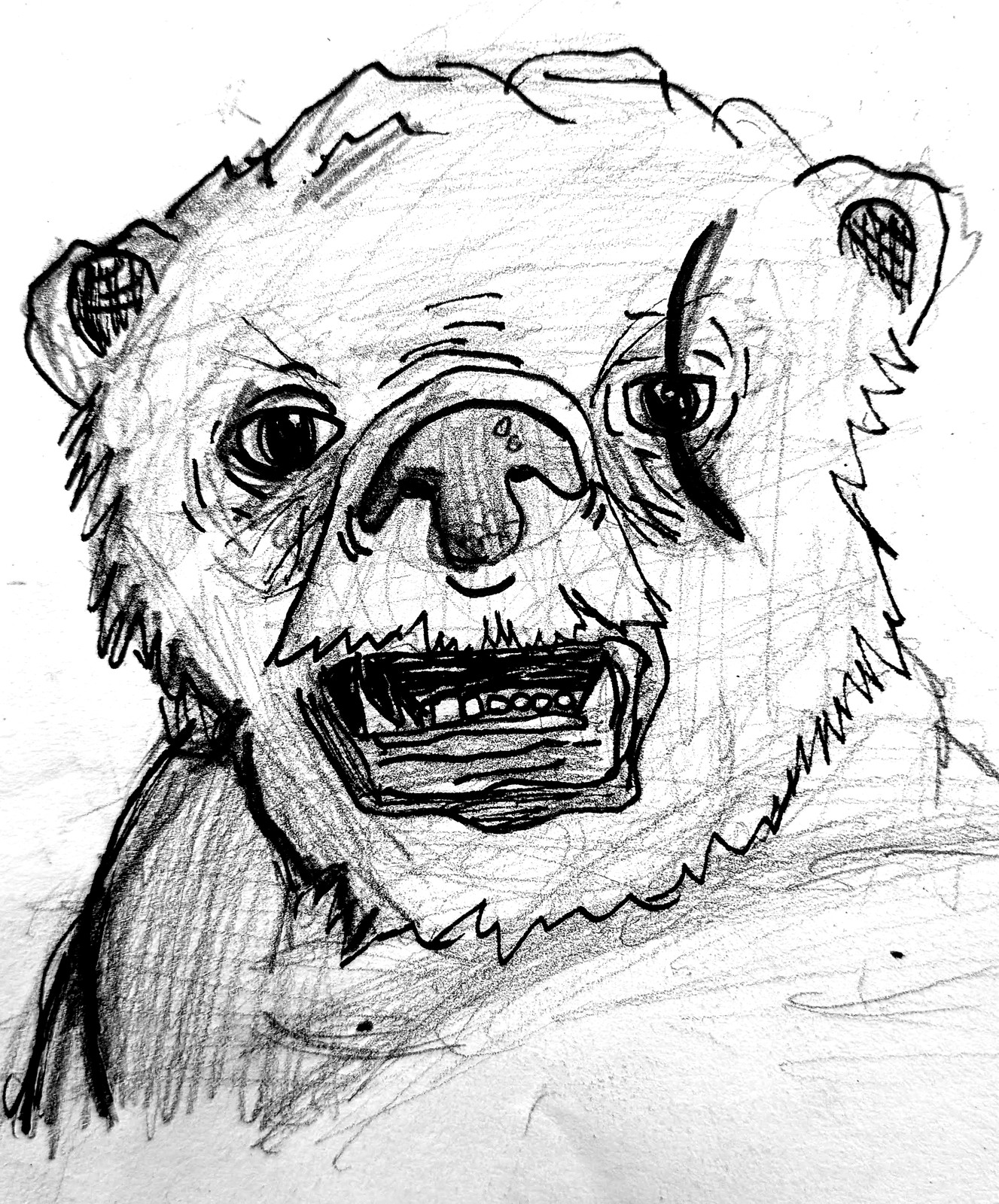
— by Kian, Year 6
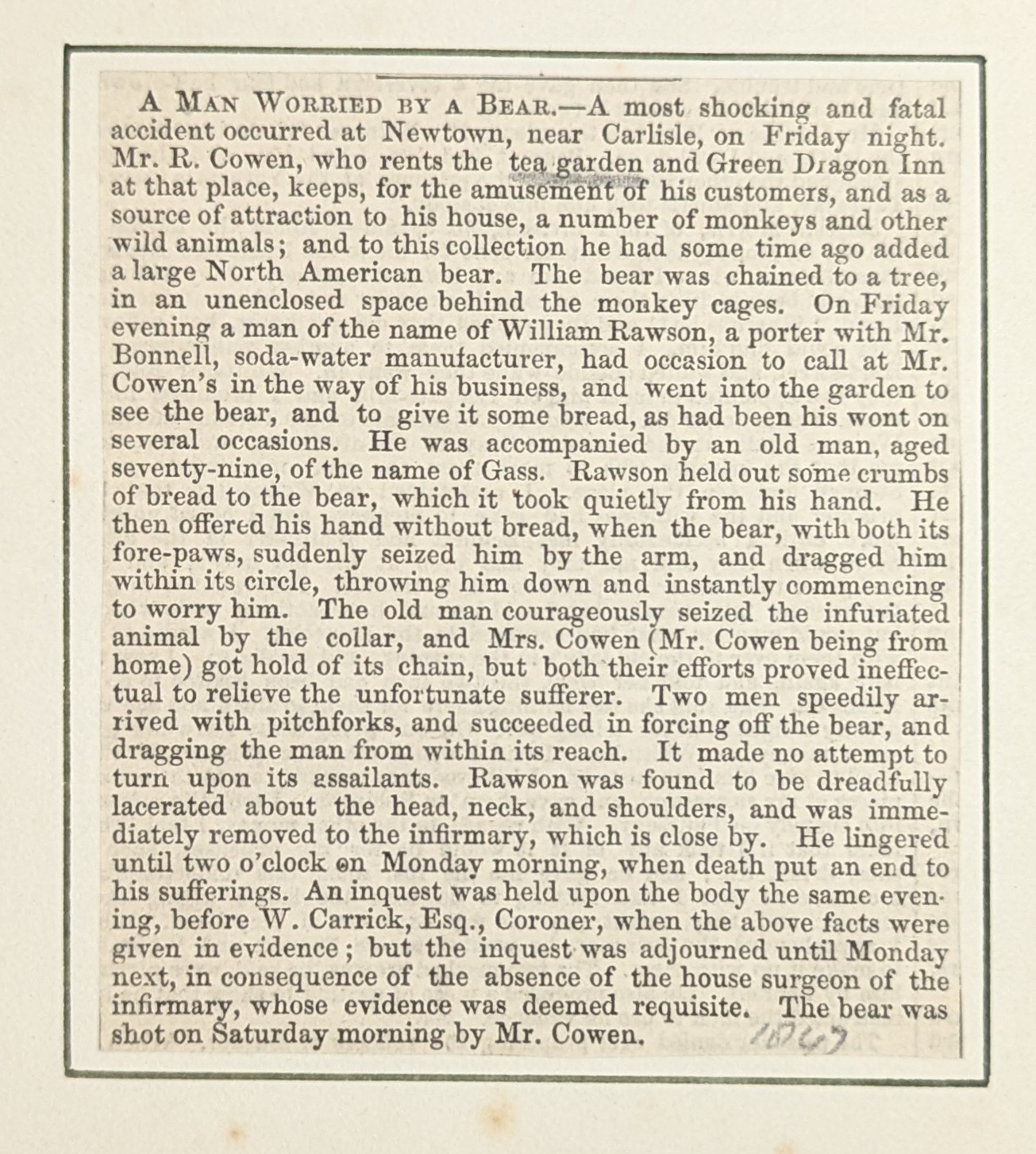
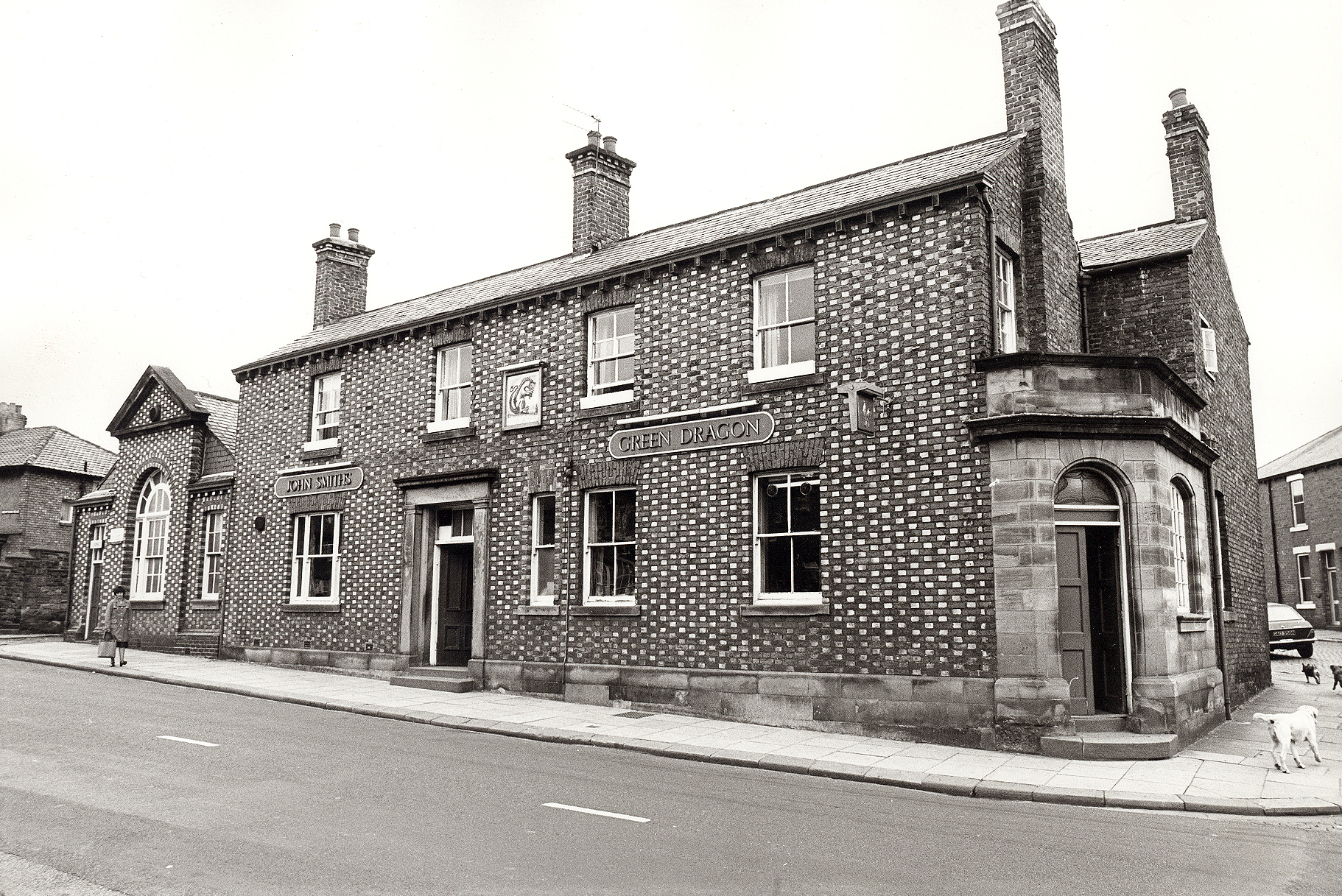
On a Friday night in 1869, something terrible happened at the Green Dragon Inn on Newtown Road. The landlord, Mr R. Cowen, kept a small private menagerie behind the pub — a collection of monkeys and other wild animals to entertain his customers. Among them was a recent addition: a large North American bear, chained to a tree in an unfenced area behind the monkey cages.
That evening, a porter named William Rawson — who worked for a soda-water manufacturer called Mr Bonnell — called at the inn on business. As he had done several times before, he wandered into the garden to see the bear and feed it some bread. With him was an old man, aged seventy-nine, named Gass.
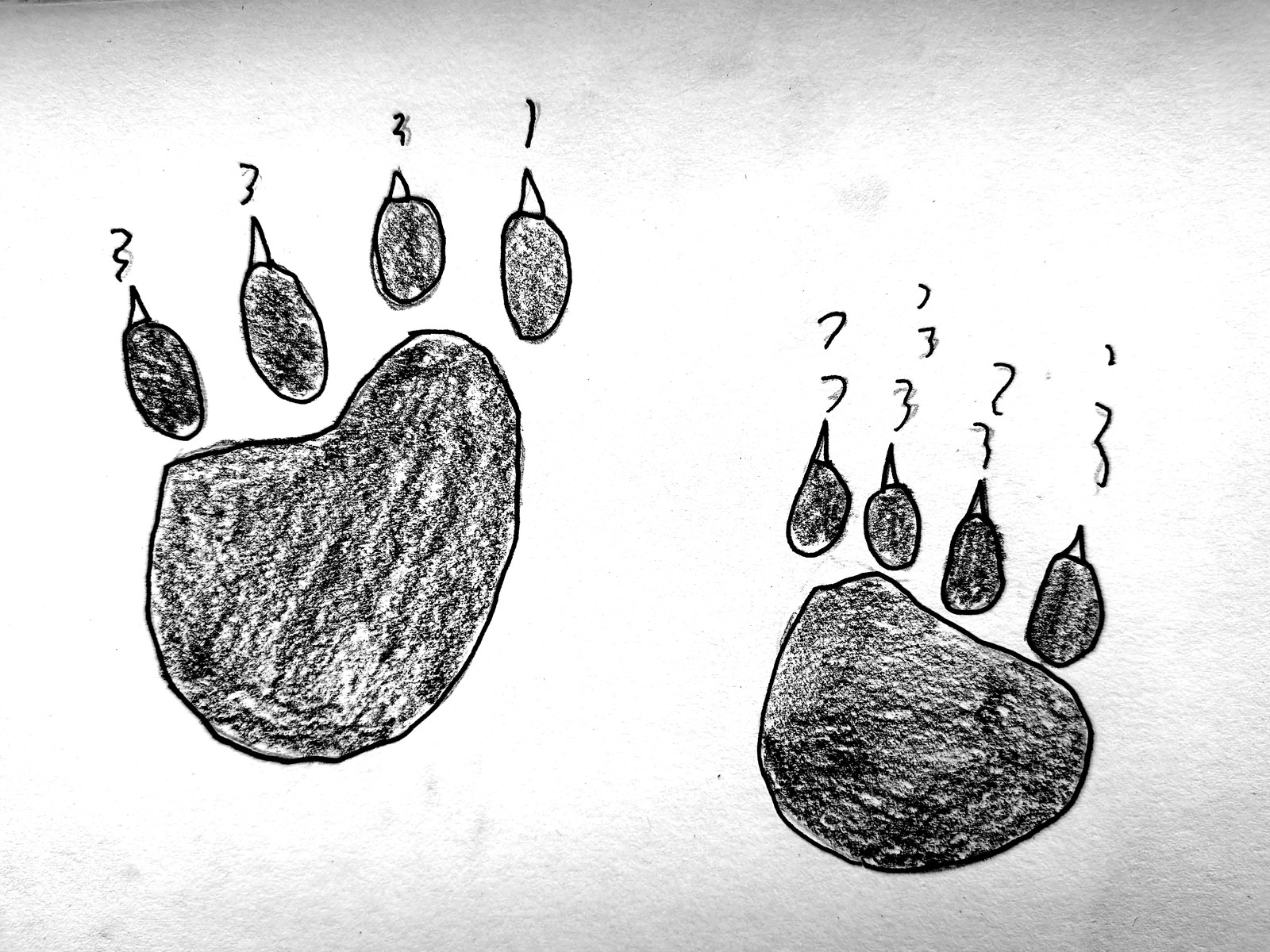
The local newspaper later described what happened next. Rawson held out some crumbs to the bear, "which it took quietly from his hand." Then he made a mistake. He offered his empty hand. The bear, "with both its forepaws, suddenly seized him by the arm, and dragged him within its circle, throwing him down and instantly commencing to worry him."
What followed was extraordinary. The seventy-nine-year-old Gass "courageously seized the infuriated animal by the collar." Mrs Cowen — her husband being away from home — grabbed the bear's chain. Neither could stop it. Eventually two men ran up with pitchforks and managed to drive the bear back. The bear, the paper noted, "made no attempt to turn upon its assailants."
William Rawson was found to be "dreadfully lacerated about the head, neck, and shoulders" and rushed to the Cumberland Infirmary — which, fortunately or unfortunately, was very close by. (You'll be standing outside that infirmary at Stop 4.) He lingered until two o'clock on Monday morning, when he died.
An inquest was held by the coroner, W. Carrick Esq. The bear was shot by Mr Cowen on Saturday morning.
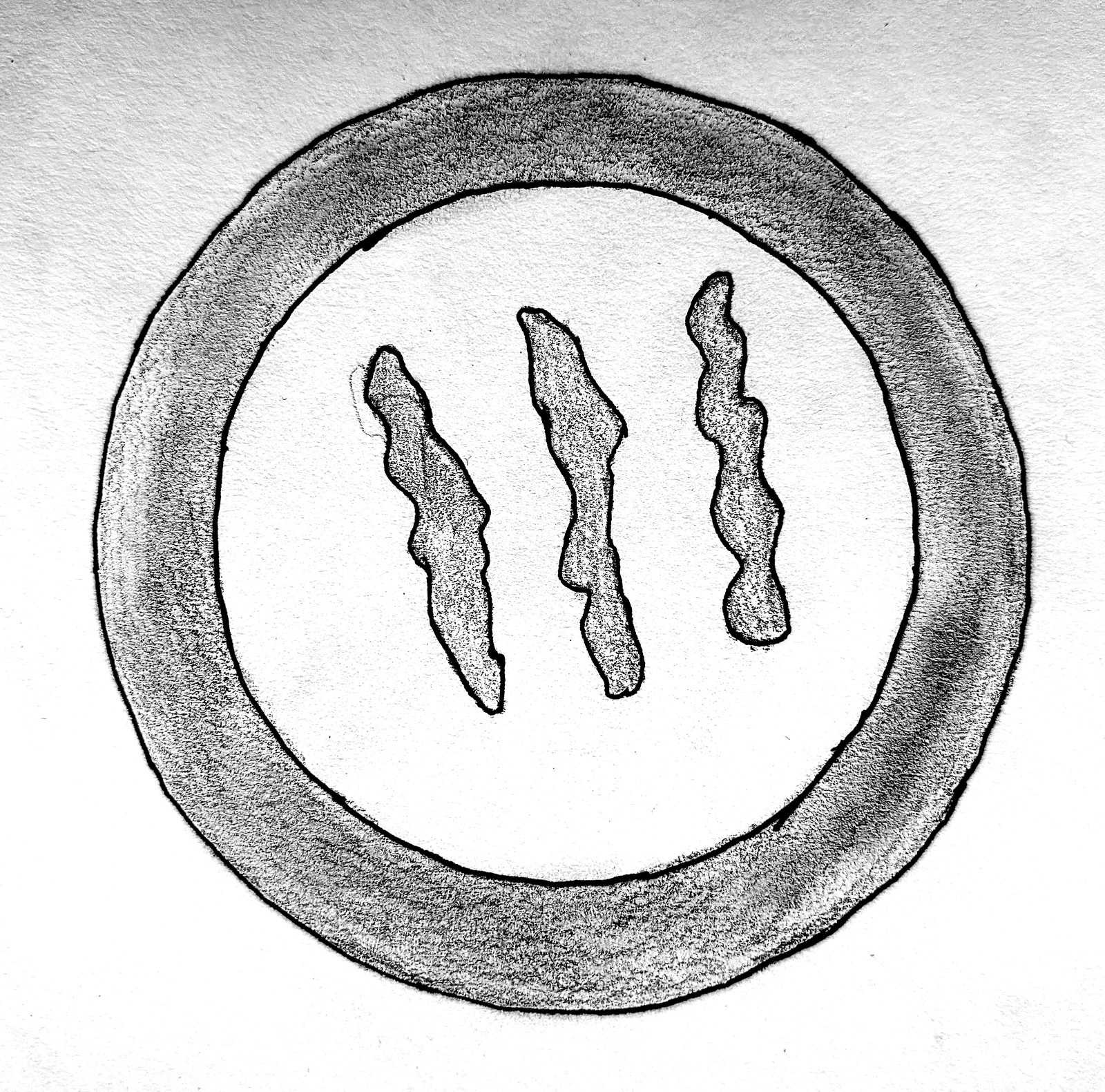
— by Lexie, Year 6
How Newtown got its name
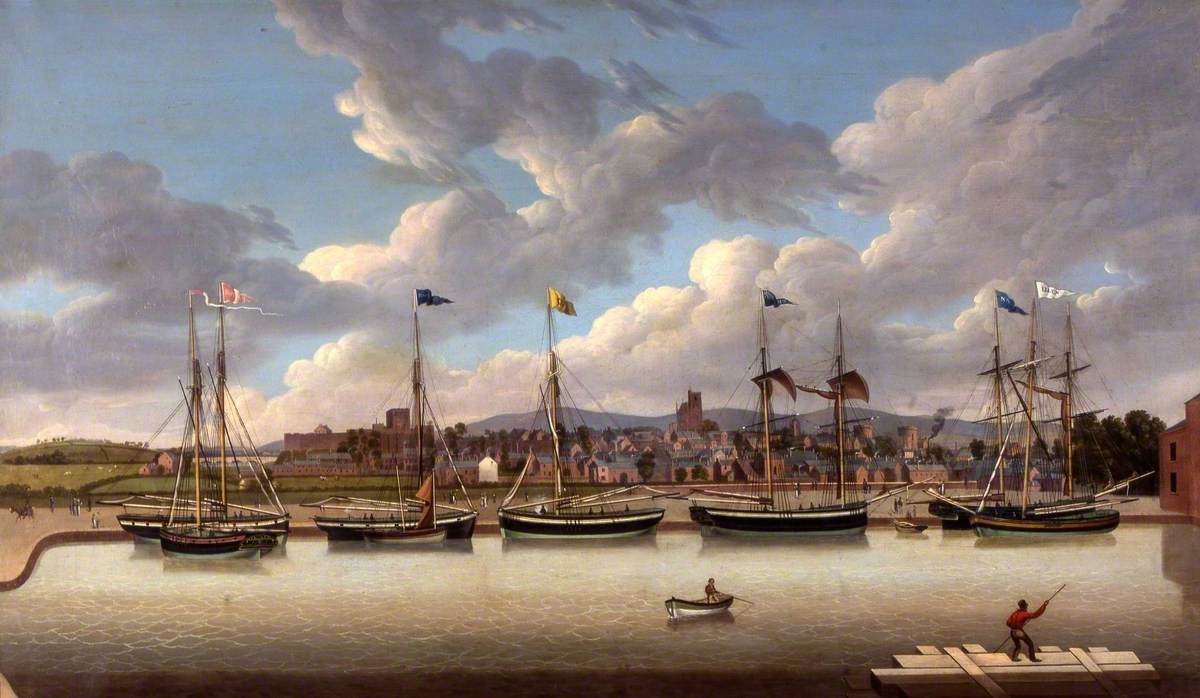
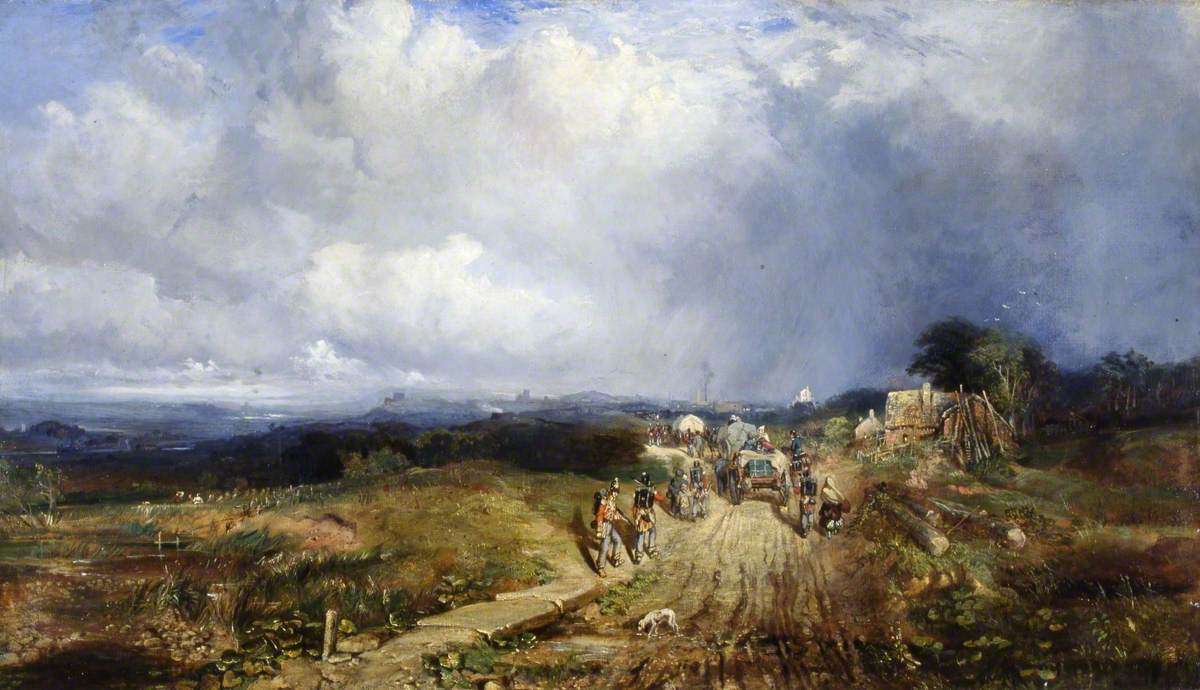
Until the early 1800s, this whole area was open ground on the western edge of Carlisle. Then, in the 1840s, building work began on a "new town" of houses west of the old city — and the name simply stuck. Newtown Road itself was widened in the mid-1920s as the area grew into the busy residential neighbourhood you walk through today.
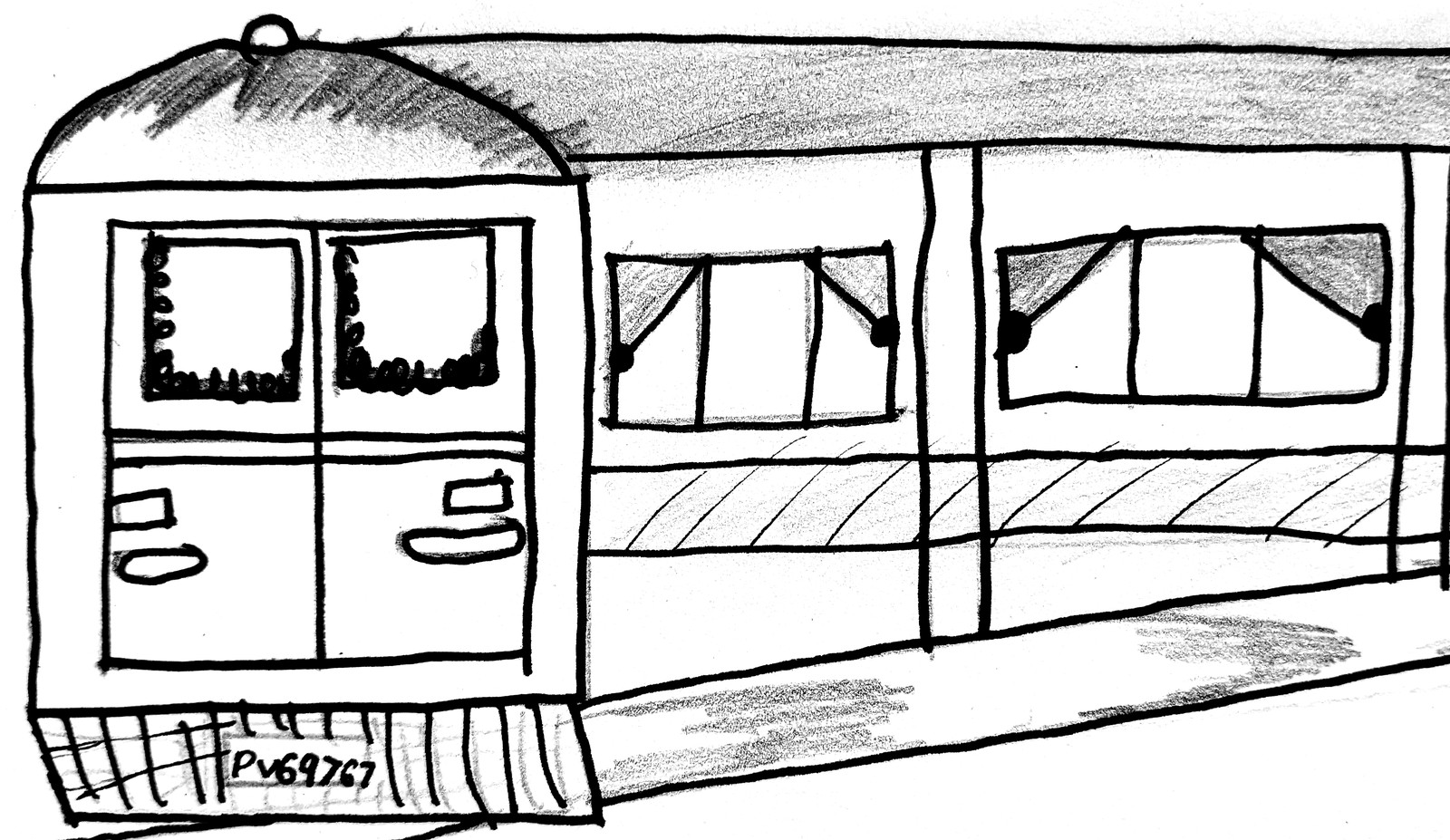
— by Ella, Year 6
— by Kian, Year 6
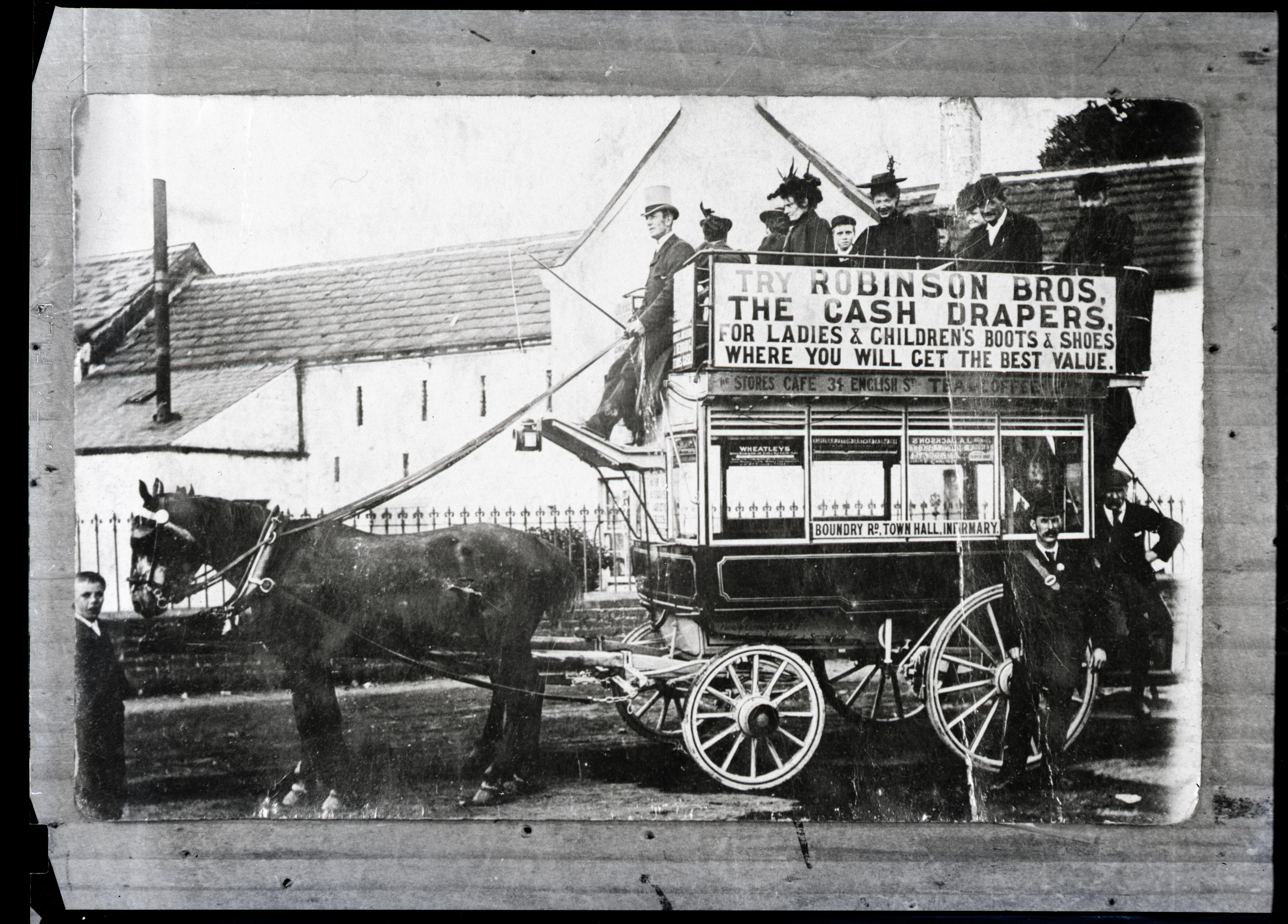
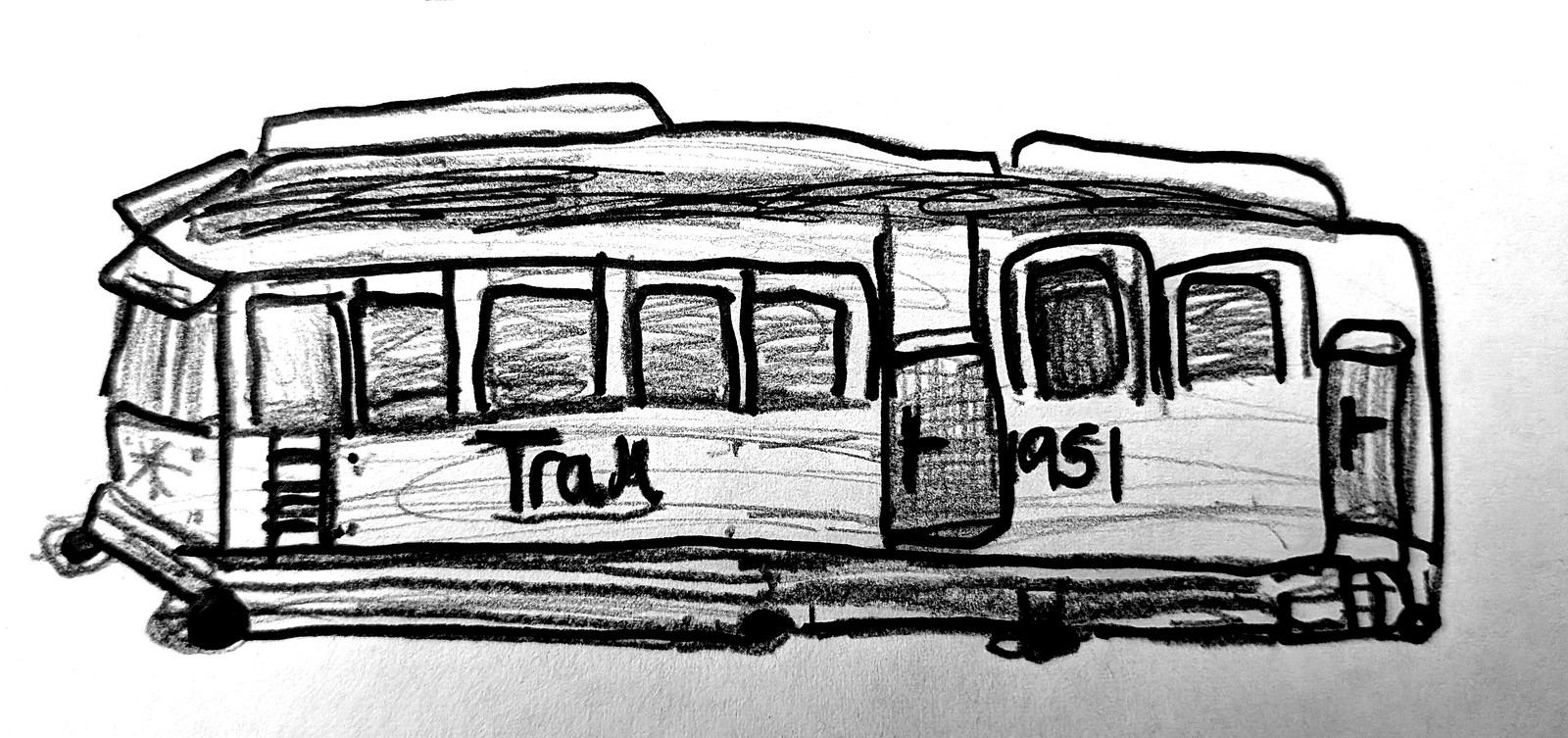
In the 19th century, Newtown also had its own Victorian transport. A horse-drawn bus ran along Newtown Road, then later electric trams of the City of Carlisle Electric Tram Company (1920–1926). Tullie still has the tickets — six pink fare tickets, all stamped "A0000," each one for a journey from Newtown into the centre of Carlisle. There's much more about the trams and canal at Stop 3.
Coledale Hall and the "friendless girls"
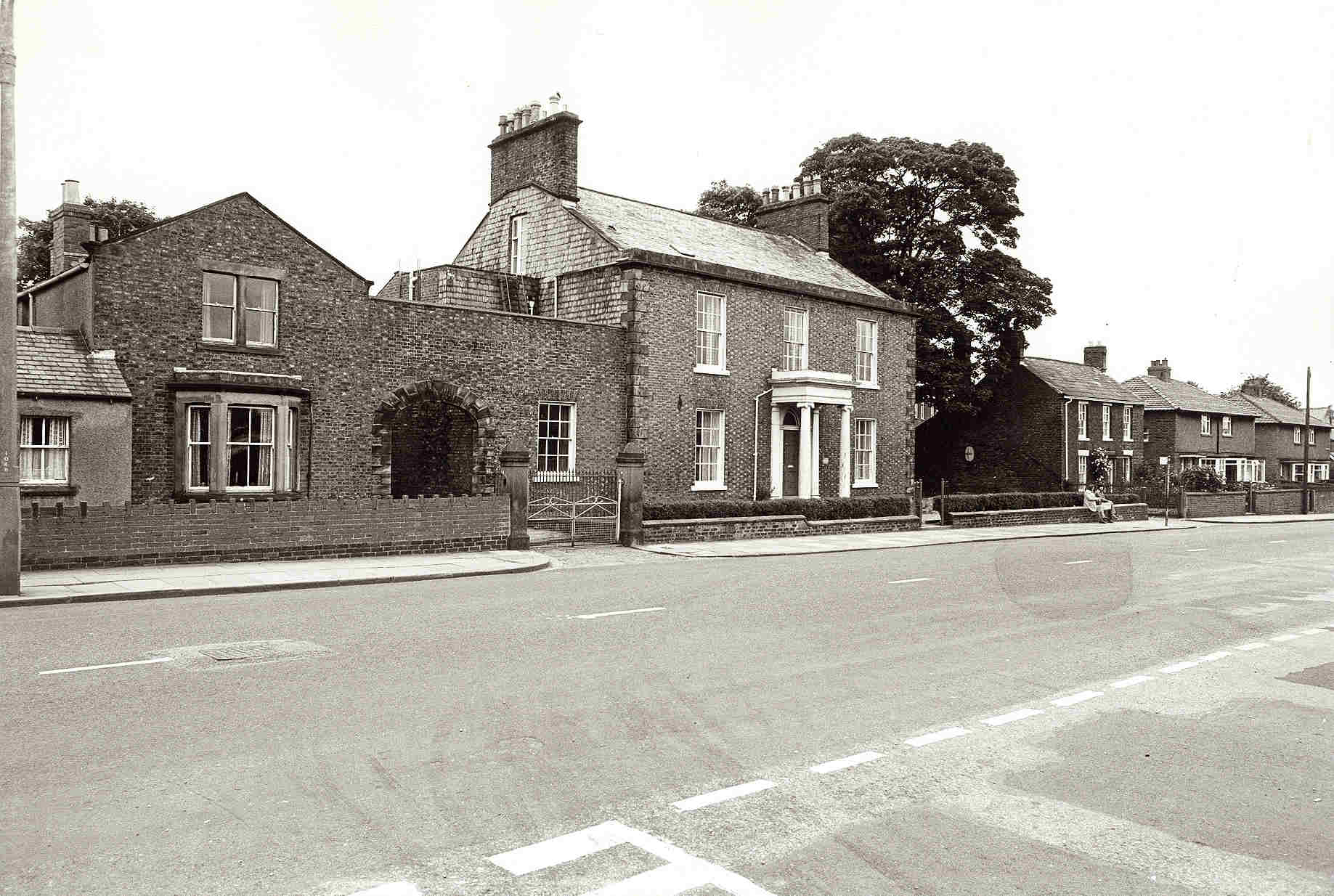
Two grand buildings here are much older than the terraced streets around them. The first is Coledale Hall (numbers 94 and 96 Newtown Road), built in 1810 as a country house with its own stables. It is now Grade II listed.
In 1926 the hall took on a surprising new role: it became St Mary's "home for friendless girls," later renamed the Carlisle Diocesan Refuge. Young women with nowhere else to turn could come here. They were given somewhere safe to live, and they trained to support themselves, often through laundry work. The home could take in around thirteen residents at a time. Their names are mostly lost to history, but they were a quiet part of Newtown's story for decades.
Newtown House and the Carr family
A short walk away is Newtown House, built in the 1840s. It was once home to the Carr family — the same family whose biscuit factory is the focus of Stop 5. Their flour came in by canal and rail, their biscuits were sent to Queen Victoria's table, and one of their family homes stood right here in Newtown.
Renee's Beauty Parlour
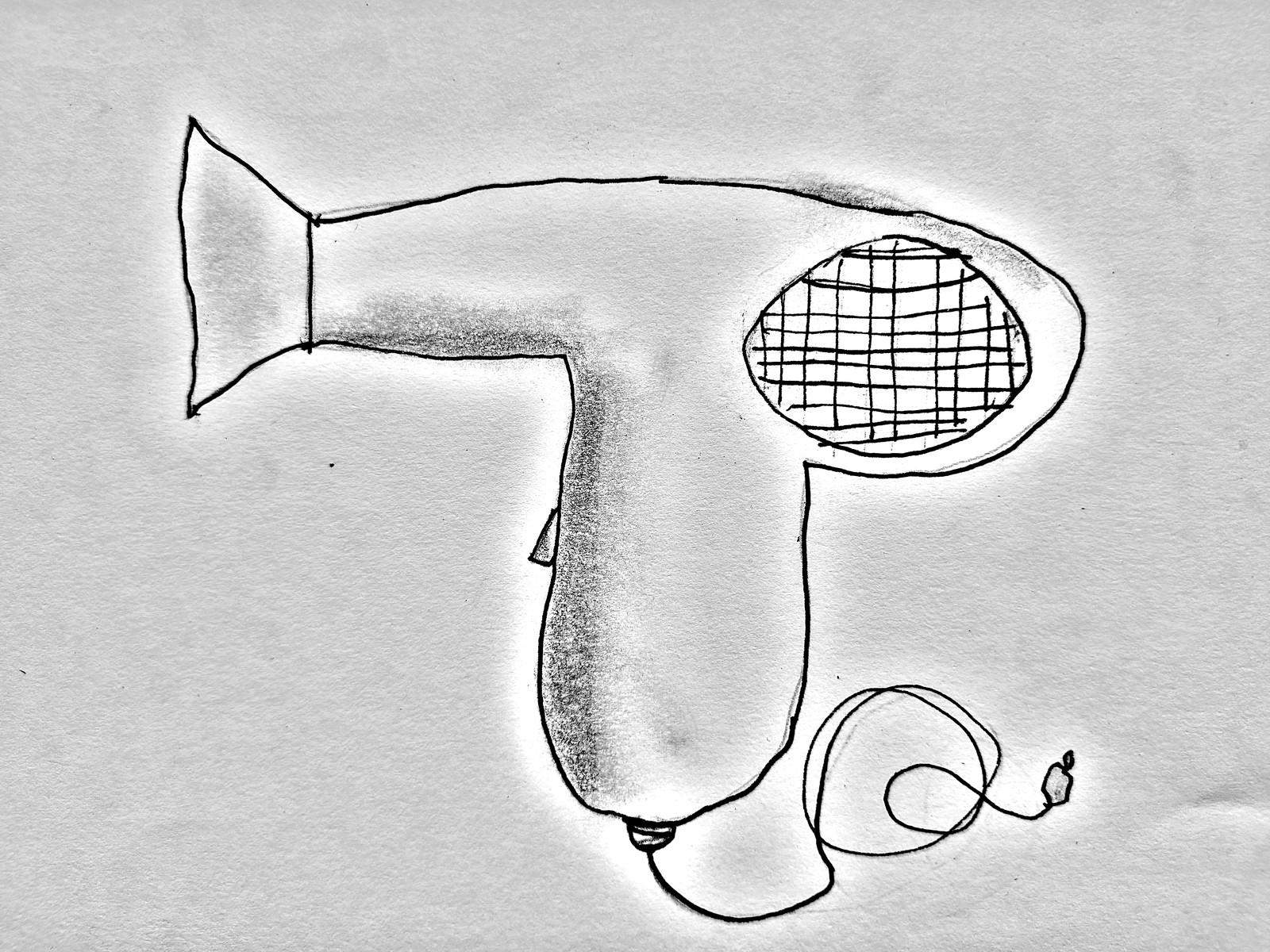
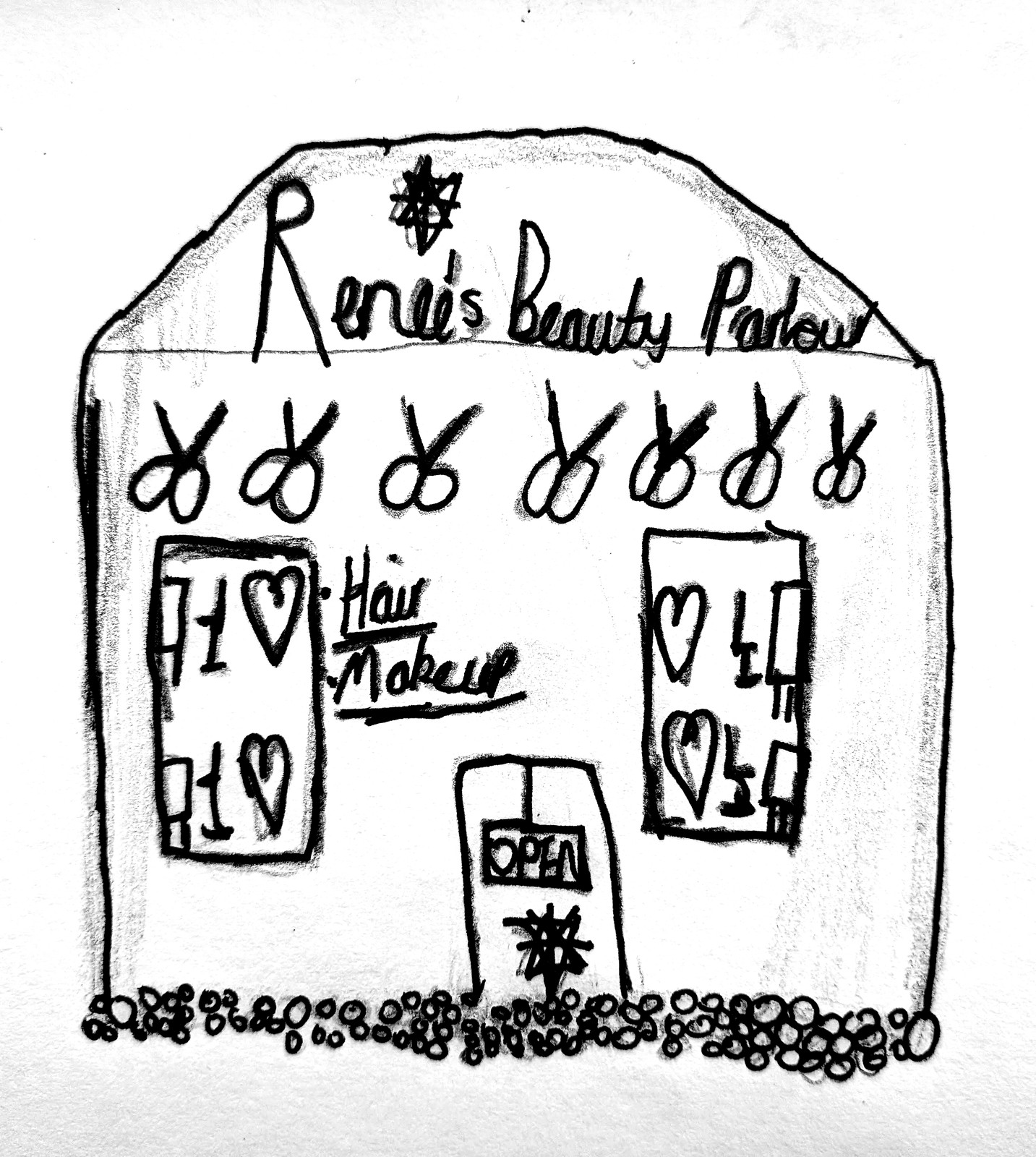
In 1935, a young woman called Irene Leach bought a property at 48 Newtown Road and opened Renee's Beauty Parlour. She had trained as a "premium apprentice" in Leeds before returning to Carlisle, and she practised cut-throat razor shaves, massage, manicure, pedicure and "electric beauty treatment" — cutting-edge in its day.
— by Sophie, Year 6
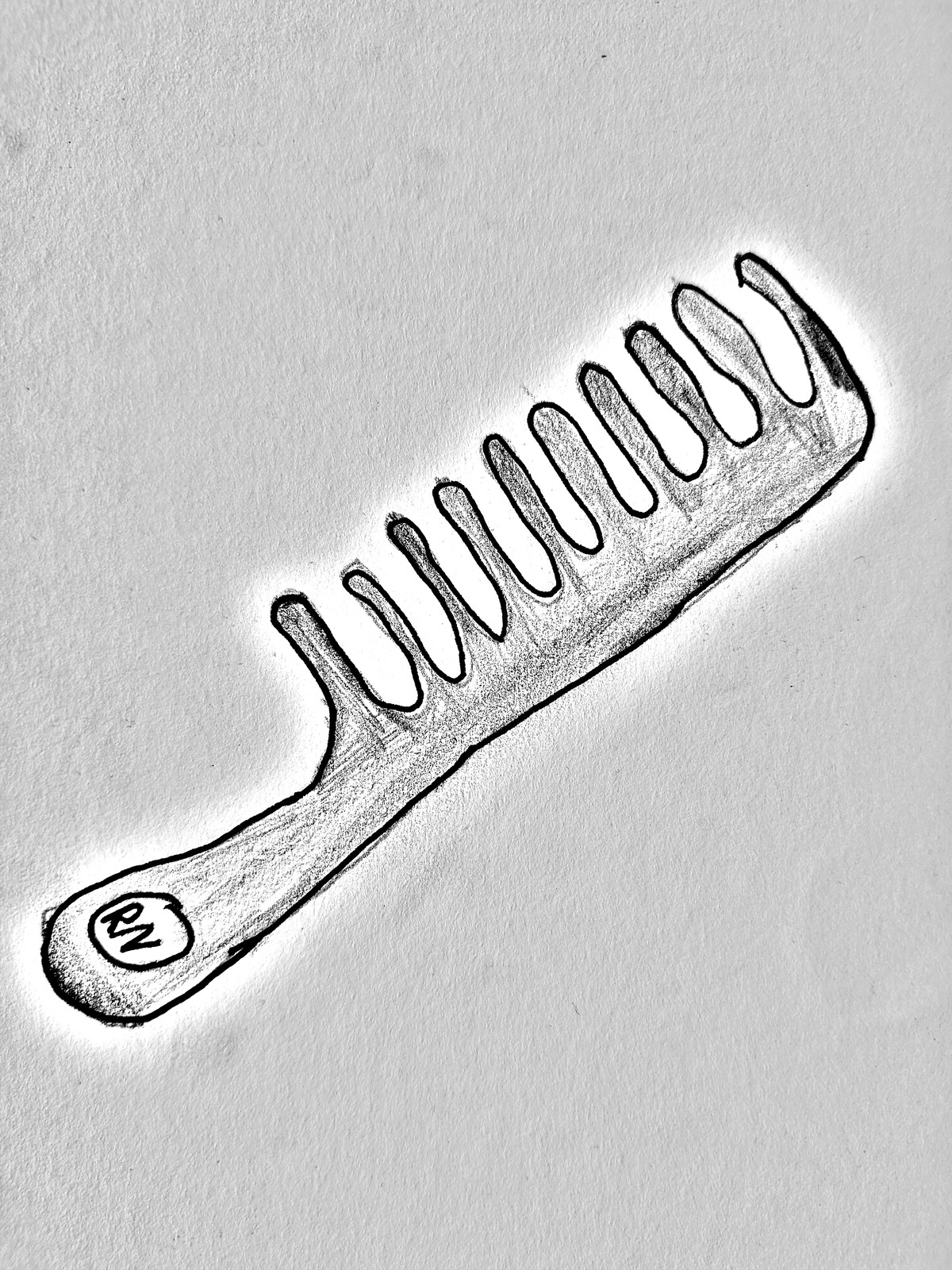
Tullie still has her curling tongs, scissors, brushes, customer perm books, hand-written trichology notes, and even her membership card for the Hairdressers Trade Association from 1946. The parlour ran until early 1947, when it became Leach's Chemist. Today, in a lovely circle, number 48 is once again a hair and beauty salon.
— by Lilly, Year 6
— by Ada, Year 6
People to know
William Rawson
Porter, victim of the bear attack, 1869
A working man from Carlisle who delivered for Mr Bonnell's soda-water business. His name is the one most worth remembering from the story of the bear — without him, it would have been forgotten.
Mr Gass
Hero of the bear attack, aged 79
A man of seventy-nine who, witnessing the attack, seized the bear by the collar and tried to free Rawson. He couldn't save him, but his courage is part of the story.
The Carr family
Biscuit makers & Newtown residents
Newtown House was once home to the Carrs — the family behind Britain's largest 19th-century baking business. You'll meet them properly at Stop 5.
Irene Leach
Beautician, 48 Newtown Road, 1935–47
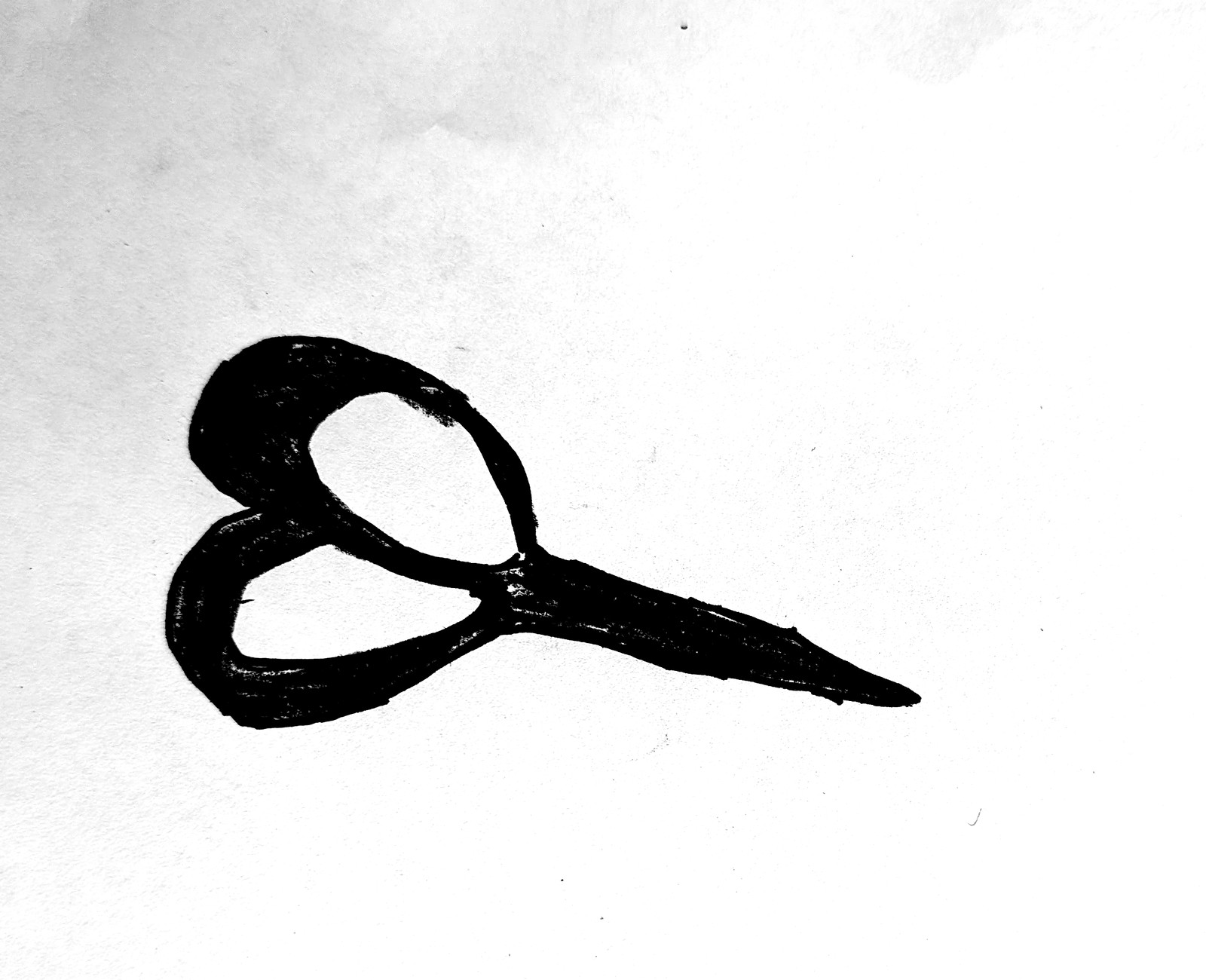
— by Ada, Year 6
Trained in Leeds, returned to Carlisle, and ran Renee's Beauty Parlour with curling tongs and "electric beauty treatment." Her tools are still in the museum.