
On the surface, Engine Lonning today is a quiet path through trees and undergrowth — a nature reserve full of birds and wildflowers. But beneath your feet runs one of the most surprising sites in Carlisle: the route of a vanished canal, an abandoned railway depot, and a piece of ground that was once marked on a German invasion plan as a target.
A canal buried beneath a railway
In the early 1800s, Carlisle's merchants had a problem. The city was growing fast, but transporting goods out to the sea was difficult. The River Eden was too shallow in places and only sailable at high tide — useless for a modern trading city.
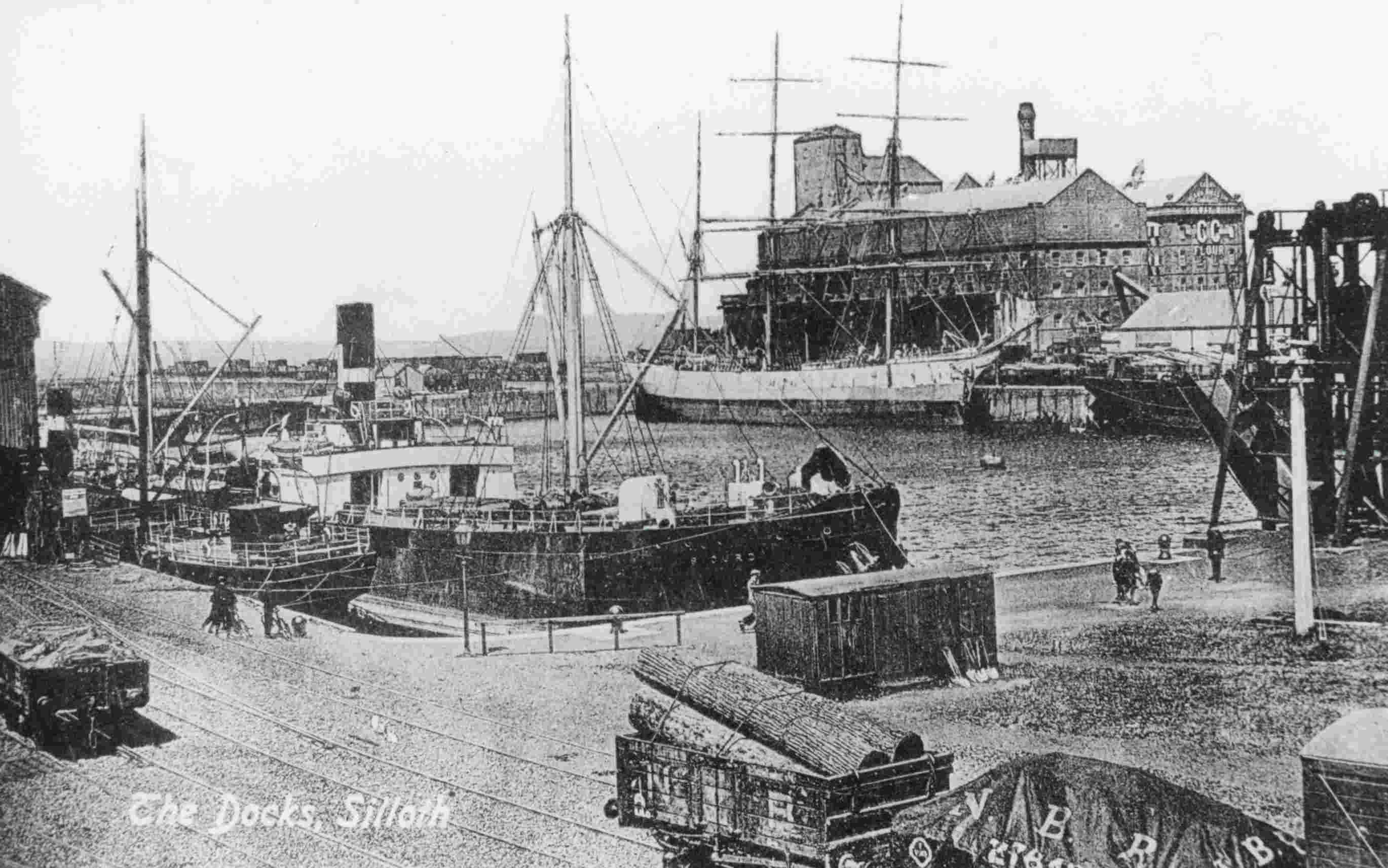
So in 1819, a bold decision was made: build a canal from Carlisle to the Solway Firth. Four years later, in 1823, the Carlisle Ship Canal opened. With eight locks and a length of over thirteen miles, it carried boats between the city and Port Carlisle. The canal basin — where the boats turned and unloaded — was on the site of what is now Sainsbury's supermarket. (Tullie has a beautiful painting of this view.)
The canal ran for thirty busy years. But by the 1850s, railways were taking over. They were faster, cheaper and could carry more. In 1853, the canal closed.
And here is the extraordinary part: the very next year, in 1854, a railway opened along the exact same route — laid down in the filled-in bed of the canal. The water was drained, the channel was packed with earth, and where boats had once floated, steam engines now ran. The canal didn't just close: it was buried by the future.
The Canal Yard becomes Engine Lonning
The patch of ground you're standing in was the heart of all this. When it was part of the canal it was known as the Canal Yard. After the railway took over in 1853, it became a busy maintenance depot for the London & North Eastern Railway (LNER). The name "lonning" is a local Cumbrian word for a narrow lane — the "engine lonning" was the lane that led to the railway works.
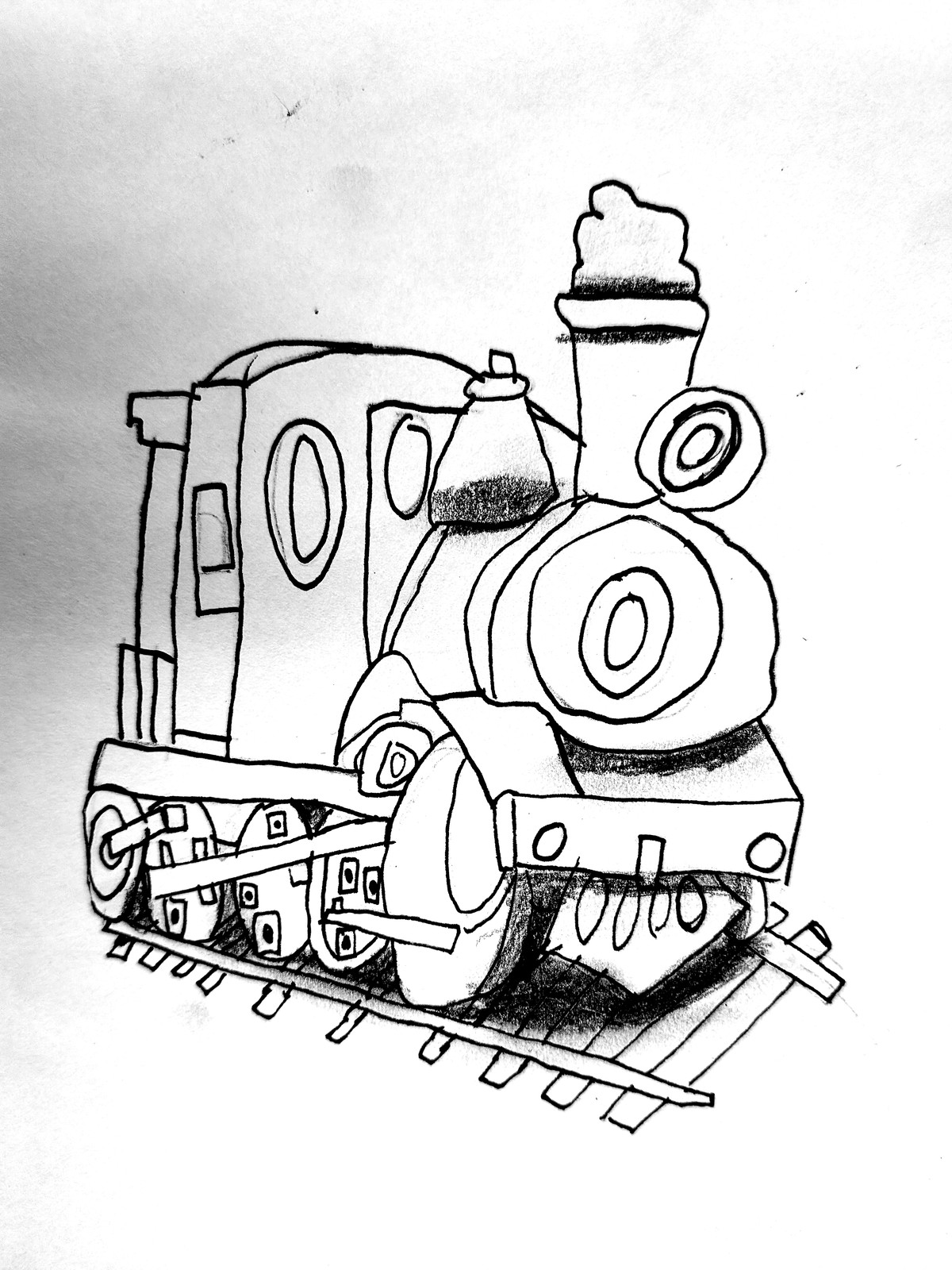
By 1923, Engine Lonning had its own turntable — a large rotating platform that could turn a whole steam locomotive around so it could head back the way it came, along the Silloth Line. There were also engine inspection pits, where workers could climb under trains to check their undersides.
If you explore the path today, you can still find traces of the turntable and pits — quietly returning to nature, but unmistakably industrial when you know what to look for.
A target on a German map
During the Second World War, the German military made detailed maps of every major British city, marking out the key targets they would attack if their invasion of Britain went ahead. The map of Carlisle still exists — and three places on it are marked as priority targets.
One is the Castle. Another is the Cumberland Infirmary you'll see at the next stop. And the third is Engine Lonning. The Germans saw the importance of the railway depot — the trains, the supplies, the turntable — and put it on their list. They never came, but the map survived as a quiet reminder of how close the war came to Carlisle.
PC John Kent: an act of courage at the canal
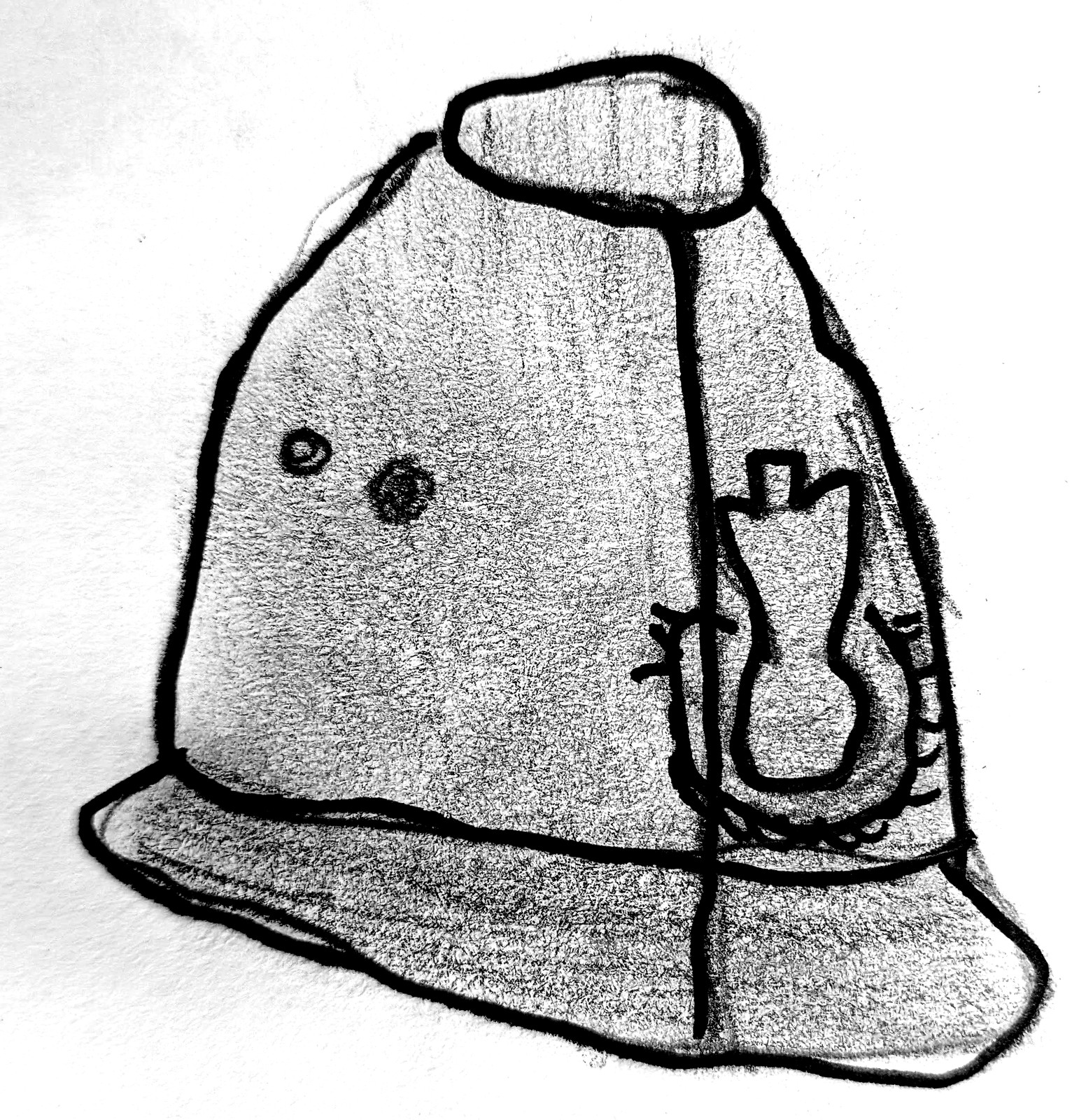
Among the many stories from the canal era is one that the historian David Ramshaw uncovered in his book about the Carlisle Ship Canal. It involves Police Constable John Kent — believed by many historians to have been Britain's first Black policeman.
Kent served as a Carlisle constable from the late 1830s onwards. According to Ramshaw's research, he was involved in a dramatic rescue: he pulled a young person who had fallen into the canal out of the water. Sadly, the young person did not survive their injuries — but Kent's brave action is a small, important part of the canal's story, and of Carlisle's.
Trams, horses and the journey into town
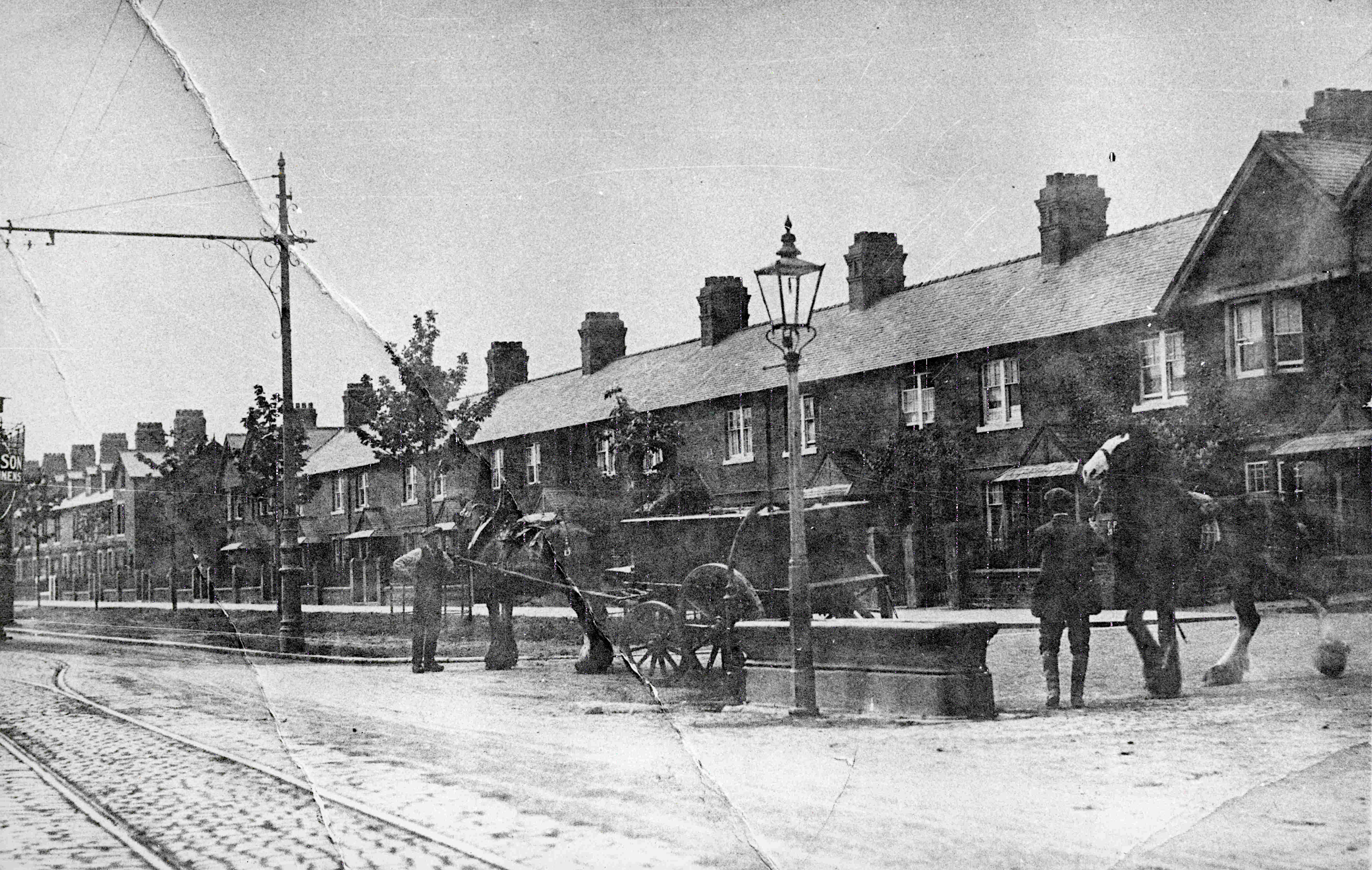
Once the canal had been replaced by the railway, Carlisle's transport story didn't stop. In Victorian times, horse-drawn buses ran along the city's main roads. Tullie still has a photograph of one at Coledale Hall in Newtown — passengers crammed onto the top deck, the horse waiting patiently at the front.
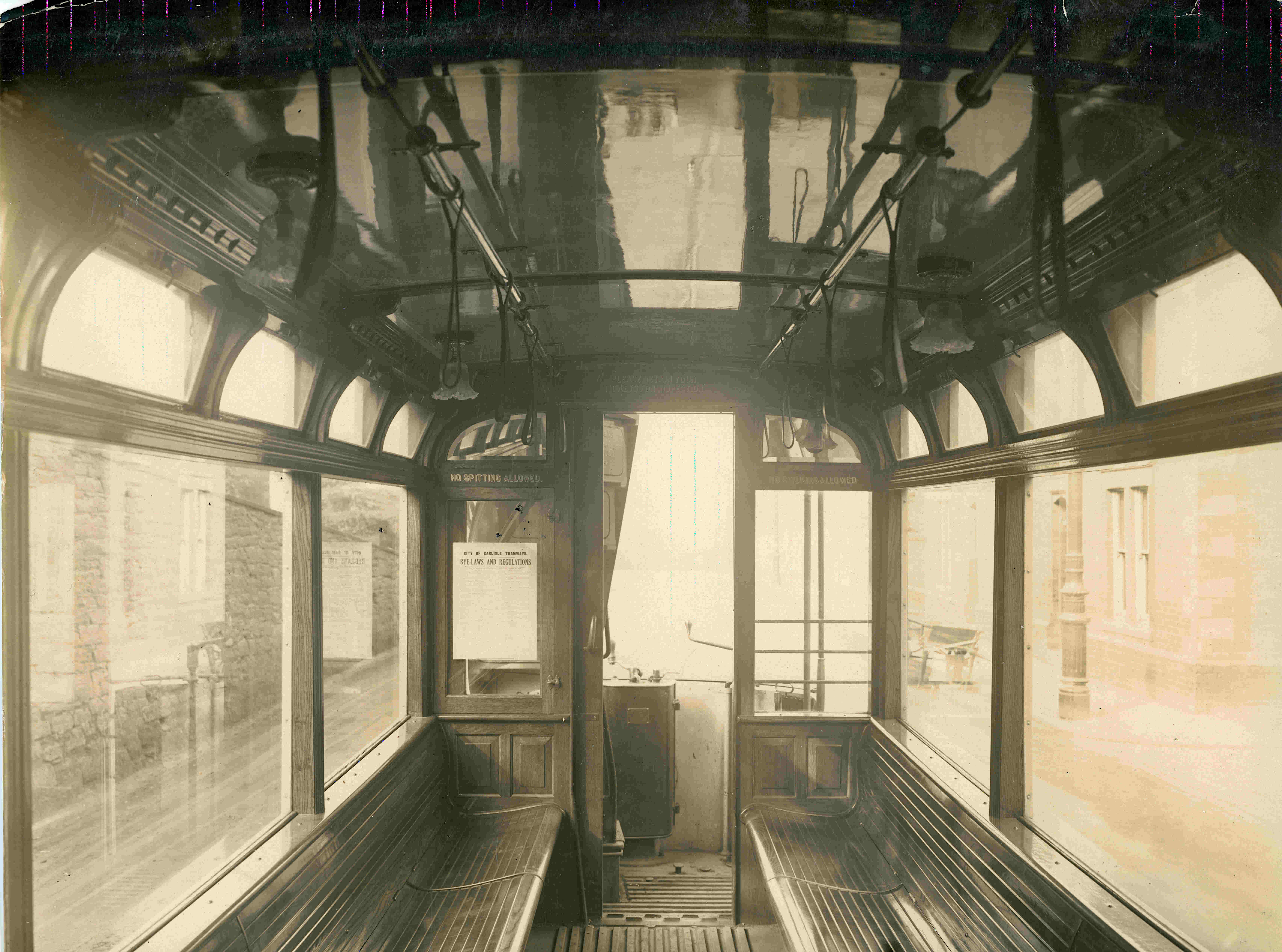
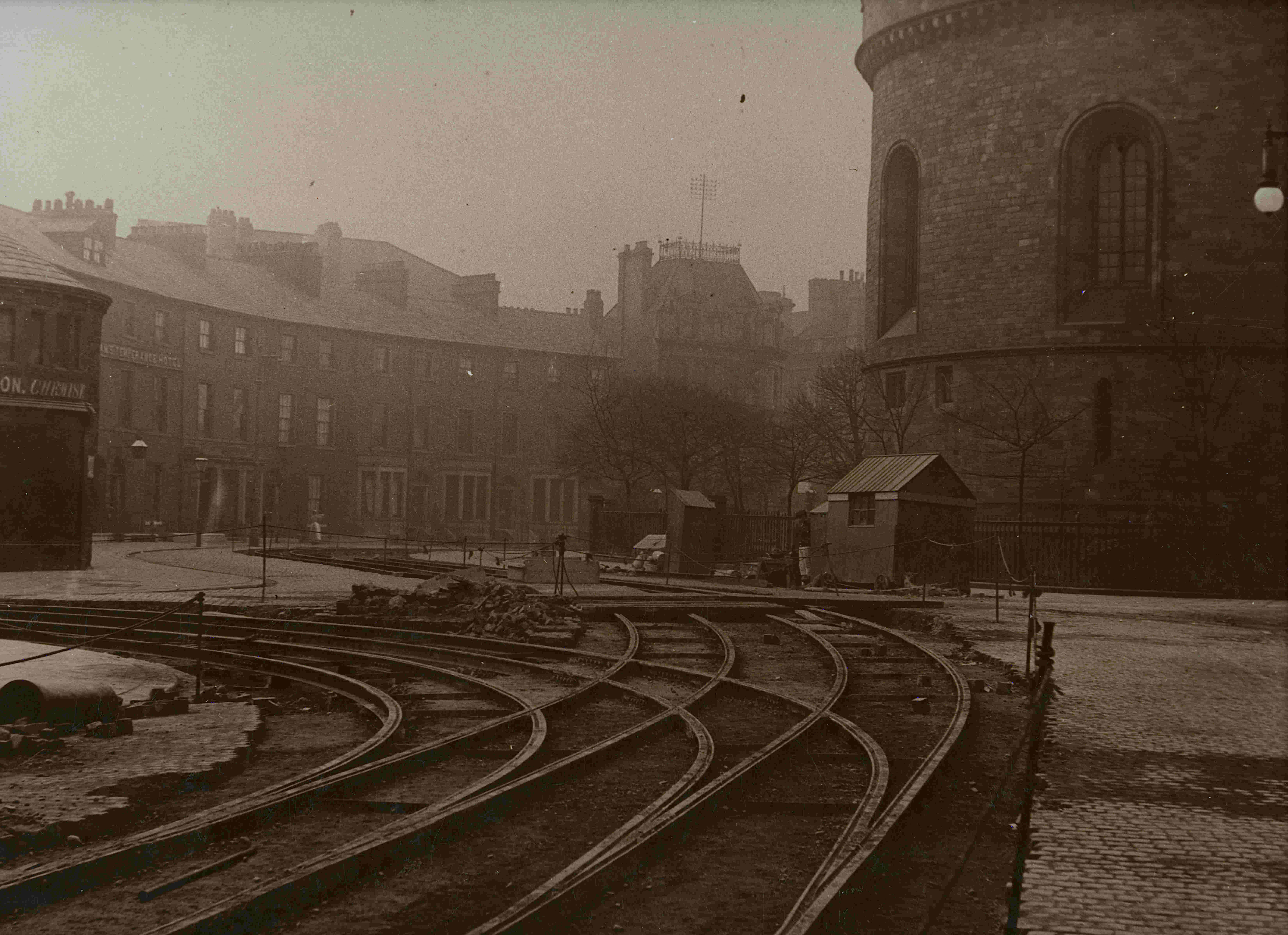
Then came the trams. From 1920 to 1926, the City of Carlisle Electric Tram Company Ltd ran electric trams along several routes, including Boundary Road, London Road, Stanwix, Warwick Road, the Viaduct — and Newtown. Tullie has six tram tickets in its collection, all marked "A0000," each for a journey worth one penny from Newtown to the city. They are framed and on the wall of Tullie's office.
The trams only lasted six years before buses replaced them — but in that short time they reshaped how Carlisle people moved around their city.
A wildlife haven today
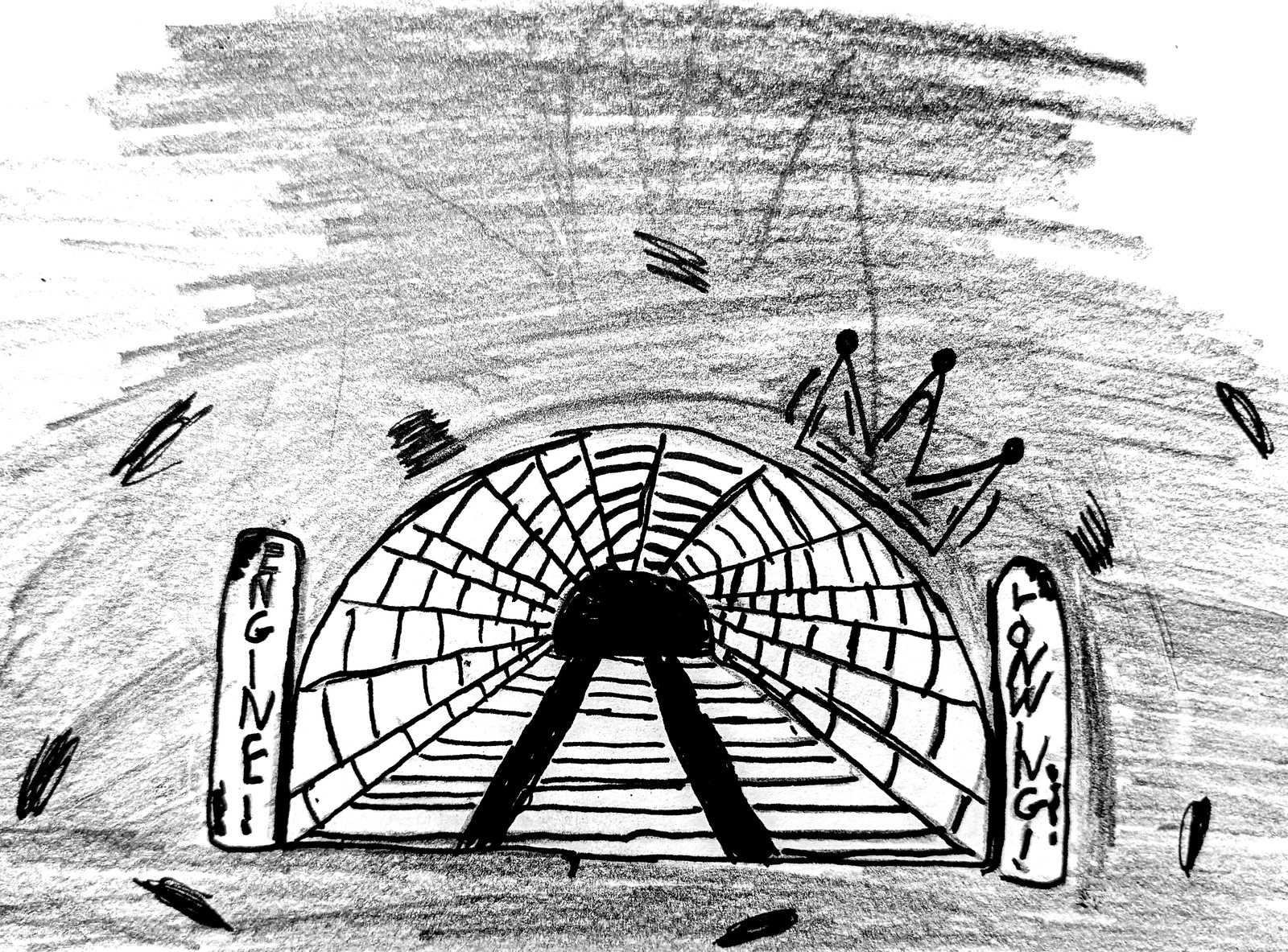
Engine Lonning closed in the early 1960s. After more than a century as one of the busiest pieces of industrial ground in Carlisle, it fell silent. The trains stopped running. The turntable rusted. Nature began to creep back in.
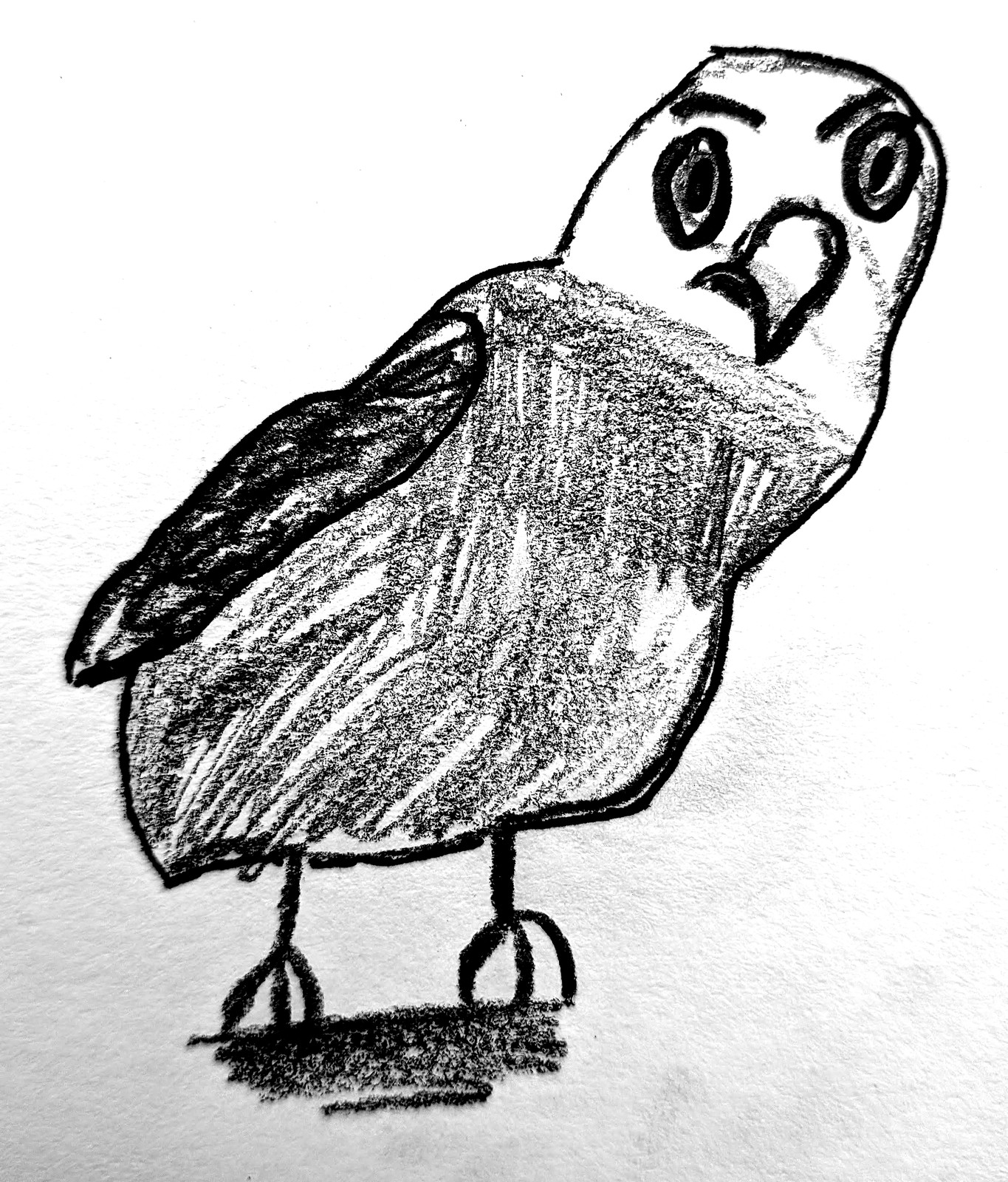
Today Engine Lonning is a quiet nature reserve, looked after by Eden Rivers Trust as part of a community project to bring the area back to life. Birds nest in the trees that have grown over the old tracks. Hadrian's Wall Path runs very close by. It's hard to imagine that this peaceful place was once a target on a German invasion map.
People to know
William Henry Nutter & Matthew Ellis Nutter
Carlisle painters, father and son
Both Nutters painted the Carlisle Canal in its working years. Tullie owns paintings by both. Their works are one of the very few visual records we have of the canal before the railway buried it.
PC John Kent
Believed to be Britain's first Black policeman
Served as a constable in Carlisle from the late 1830s. Pulled a young person from the canal in a rescue that, sadly, the young person did not survive.
Sam Bough
Carlisle-born painter (1822–1878)
One of Carlisle's most important 19th-century artists. His painting Baggage Wagons Approaching Carlisle 1849 shows soldiers and their families coming into the city along the canal road. The canal itself is visible on the left of the painting. It's at Old Tullie House.
George McVittie
Painter of Engine Lonning's working life
McVittie painted the railway workers and scenes at Engine Lonning in its later years, preserving a part of Carlisle's industrial story that no photographs could quite capture.