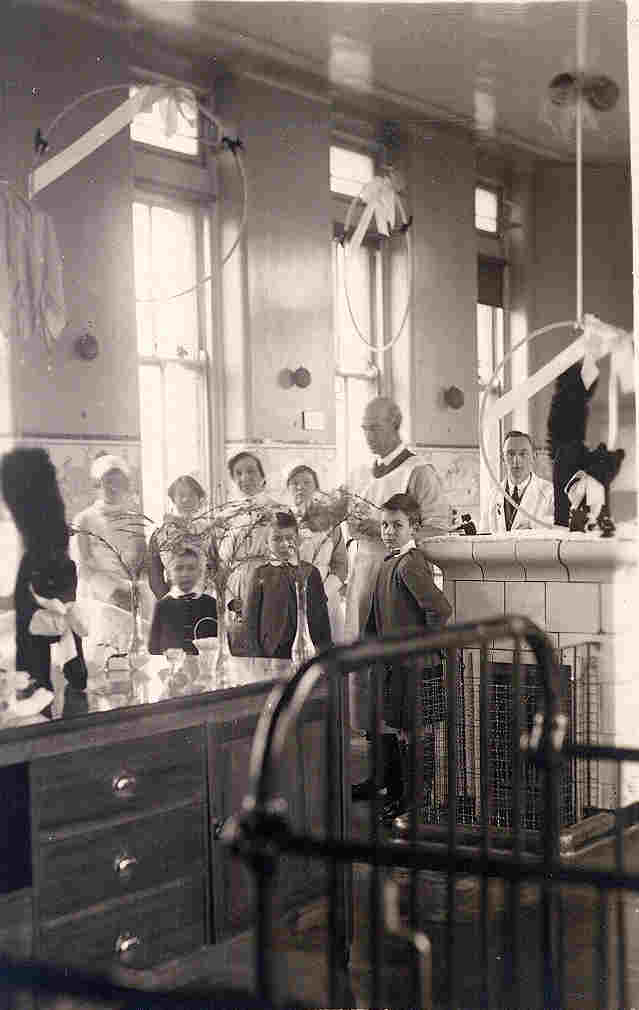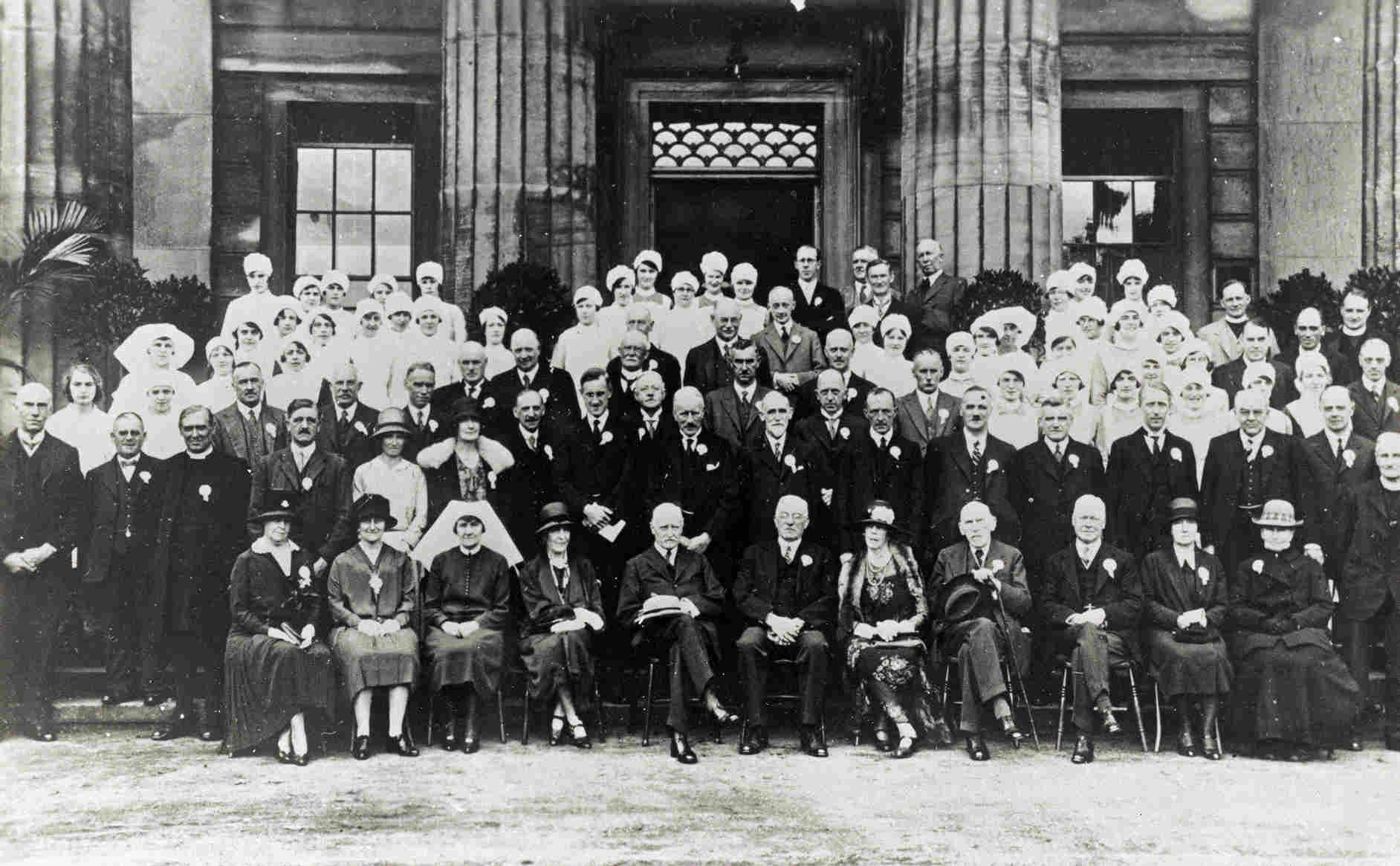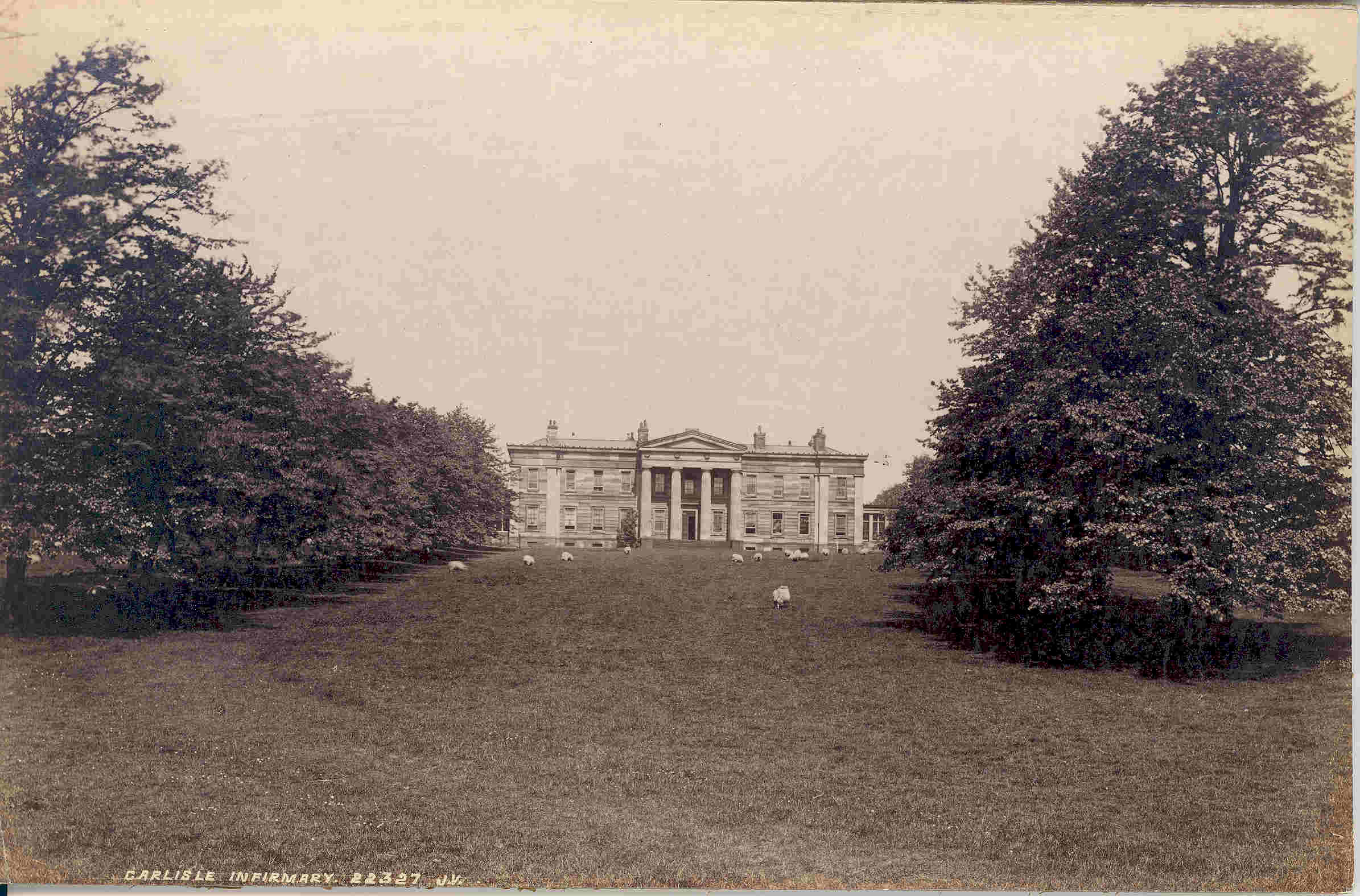

The hill the Cumberland Infirmary sits on has a violent history. In 1745, during the Jacobite Rebellion, the Duke of Cumberland placed his cannons here to take Carlisle back from Bonnie Prince Charlie's army. Nearly a century later, in 1830, the same hill became the site of a hospital — and from that day to this, it has been at the centre of life and death in Carlisle for almost two hundred years.
Cannons on the hill
Before there was an infirmary, this hill had already seen battle. During the Jacobite Rebellion of 1744–45, Bonnie Prince Charlie's army marched south from Scotland and captured Carlisle. Soon afterwards, the Duke of Cumberland led his troops north to retake the city — and the hill where the infirmary now stands was used to place his cannons during the siege.
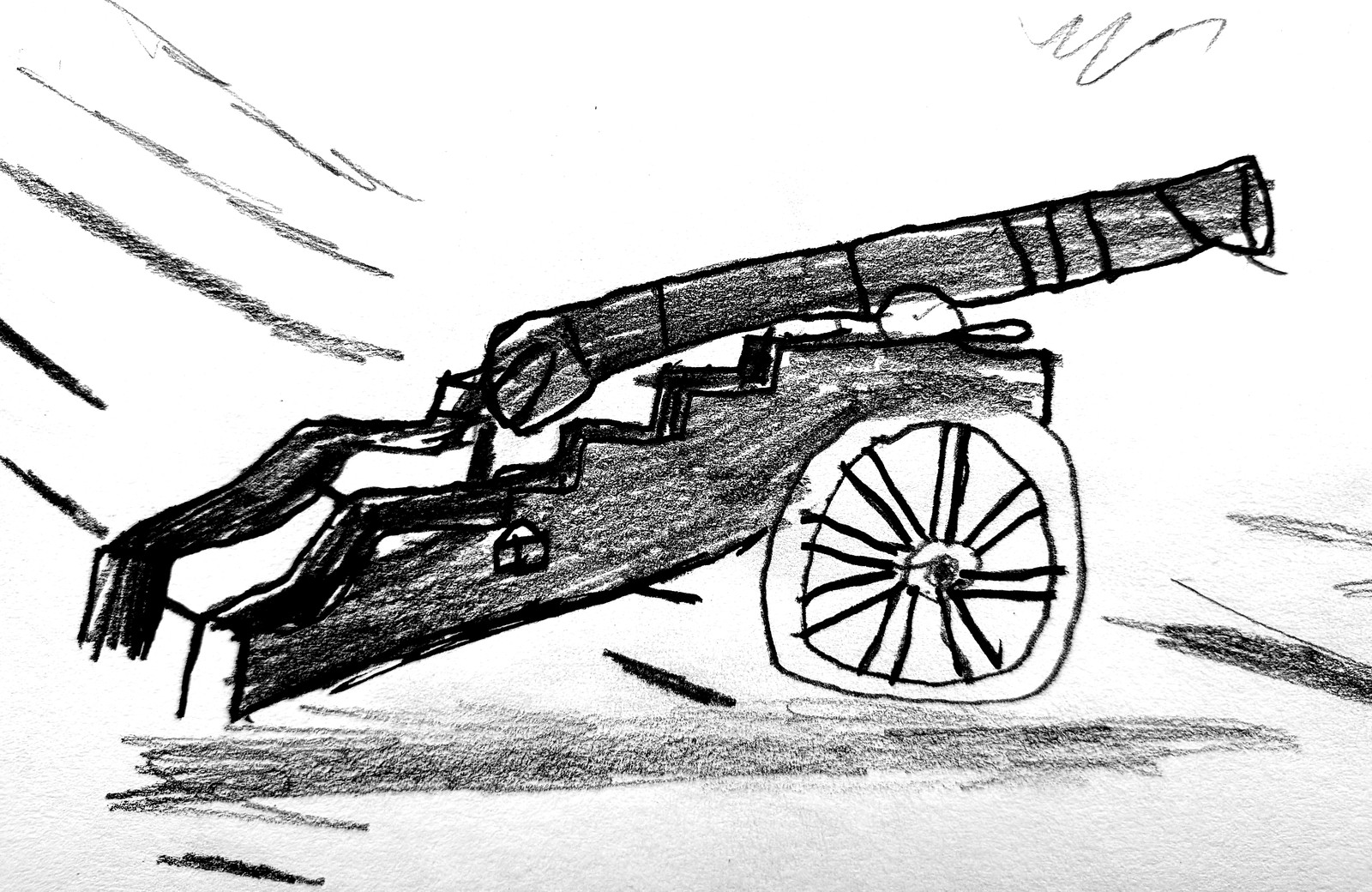
It's a strange thought: the same patch of ground that has saved so many lives once held the guns that took them.
A hospital for a sick city
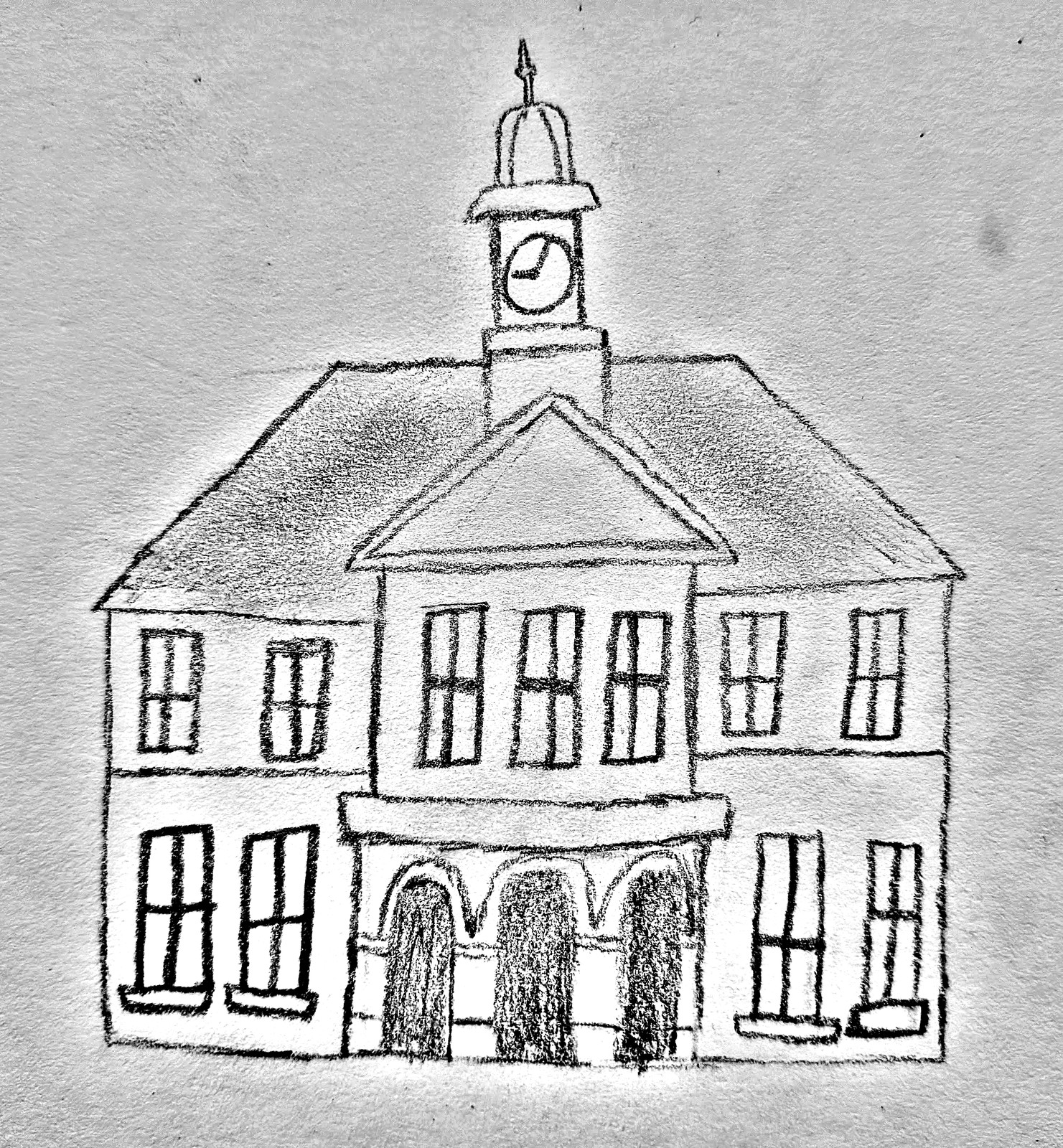
The foundation stone for the Cumberland Infirmary was laid in 1830, in the middle of the Industrial Revolution. Carlisle was a fast-growing factory town. Mills, foundries and dye works packed in workers from across the country. With them came overcrowding, poor sanitation, and disease.
Before the infirmary was built, Carlisle's only hospital was a small "House of Recovery." The nearest proper public hospitals were a long way away — in Dumfries, Edinburgh and Glasgow. If you were poor and seriously ill, you would have struggled to reach help. The new hospital was built to change that.
The architect was Richard Tattersall — the same man who designed Shaddon Mill (you can still see its tall chimney over Carlisle from miles away). Tattersall's infirmary was funded by wealthy benefactors, and from the start it accepted charity patients who couldn't pay.
In 1847, a building nearby called Crozier Lodge (originally built in the 1820s) was converted into a fever hospital. It served that role until at least 1910.
The Gretna Troop Train disaster
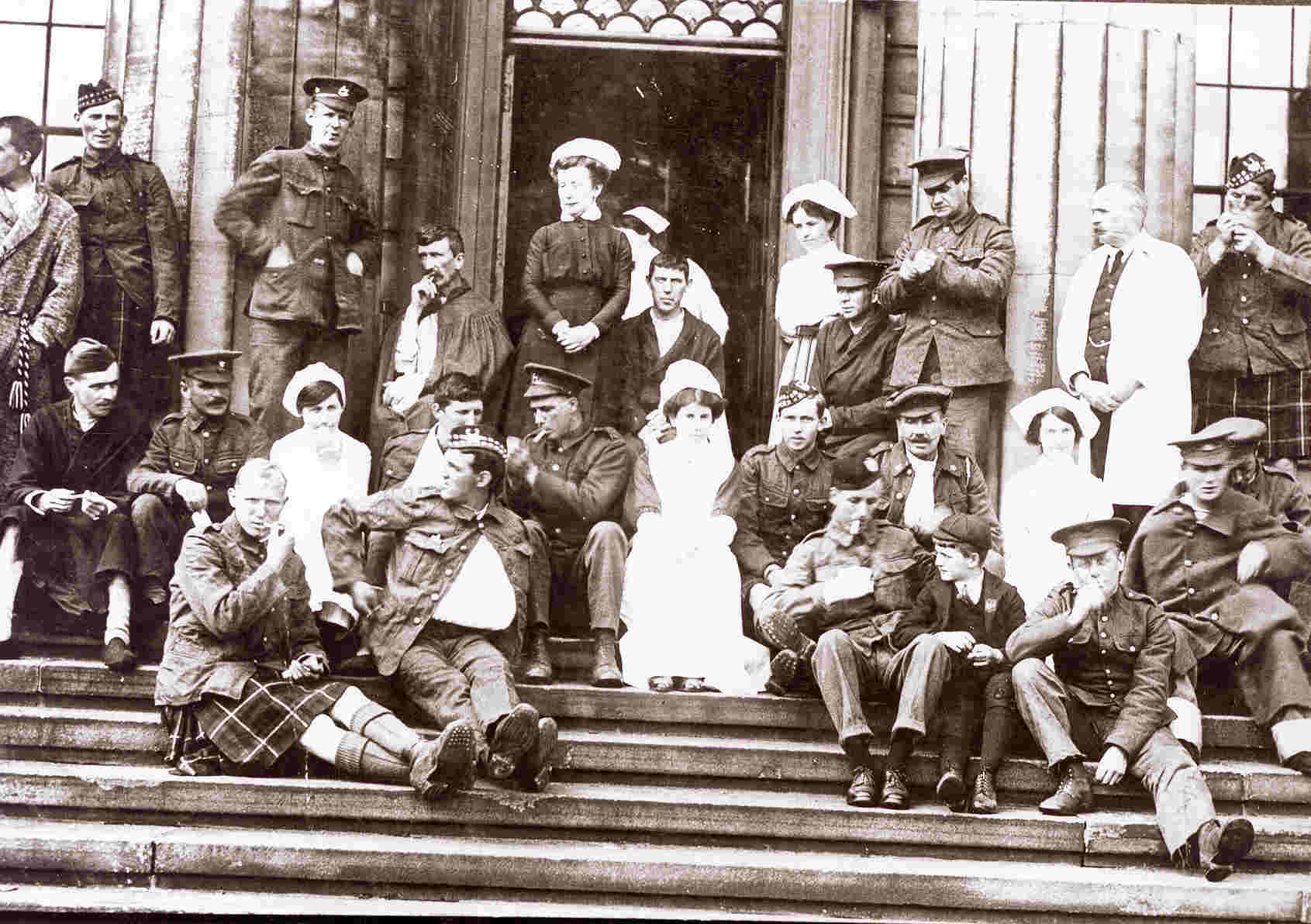
On 22nd May 1915, just north of Carlisle, the worst rail disaster in British history took place at Quintinshill, near Gretna. Three trains collided, including a packed troop train carrying soldiers from the Royal Scots regiment on their way to fight in the First World War. More than 200 people died.
The Cumberland Infirmary took in 180 of the casualties. Doctors, nurses and volunteers worked together to deal with one of the most overwhelming days the hospital had ever faced. Many of the injured were young men in army uniform, far from home.
The hospital in wartime
During the First World War, Carlisle and the surrounding area set up a network of auxiliary hospitals staffed by volunteers — at Longtown, Brampton, Scotby, Hayton, Penrith, Dalston, Englethwaite, Castletown and at Murrell Hill here in Carlisle. Tullie has a 1919 hand-written poem called "Our Hospital Alphabet, From a Cook's Standpoint", written by someone serving in the Red Cross at Murrell Hill.
Later, in 1938 — even before the Second World War had begun — the Infirmary added two new wards in preparation for the wartime casualties everyone could see coming. War broke out the following year.
Matron Emily Cummings
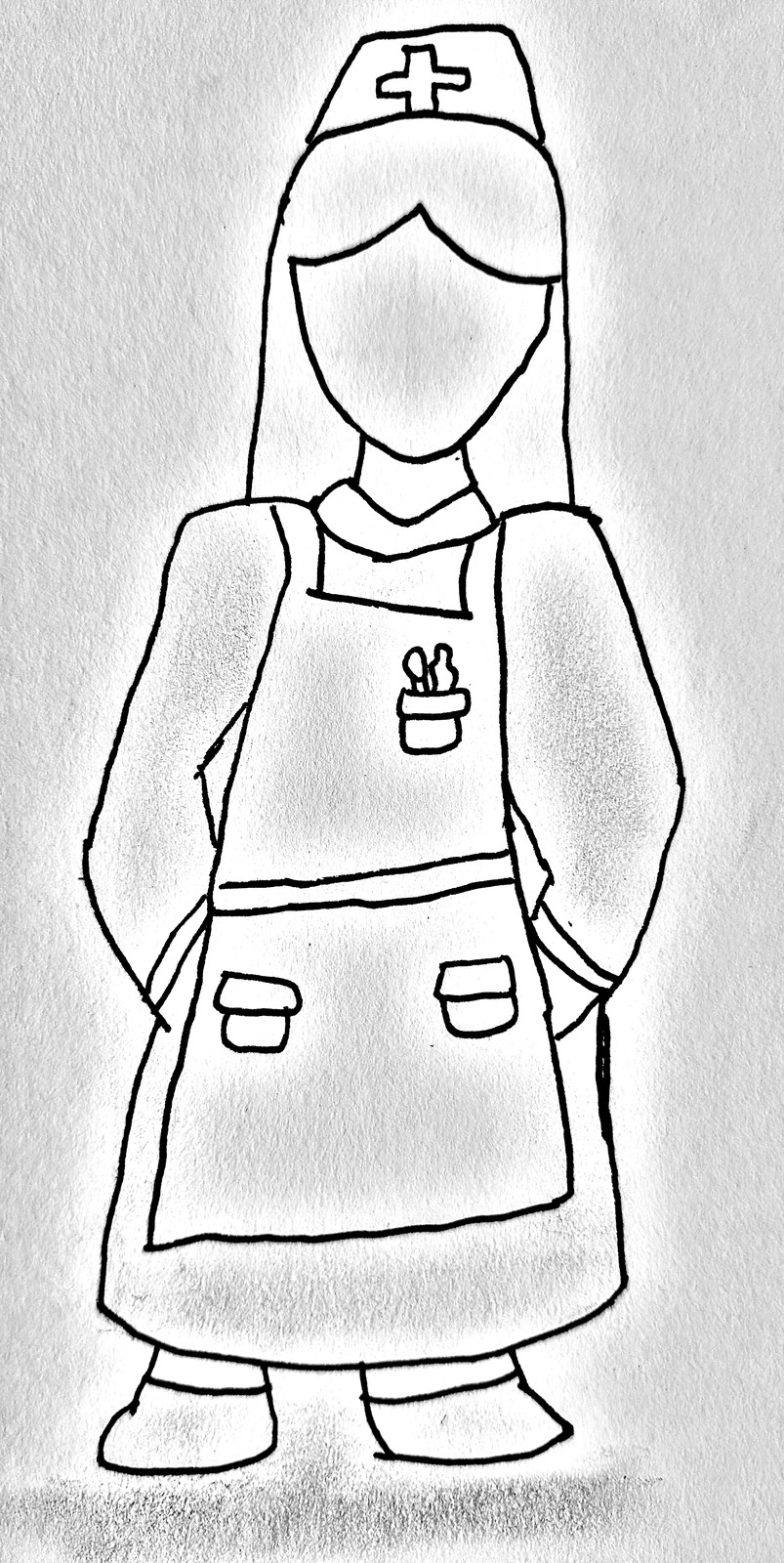
From 1903 to 1911, the matron of the Cumberland Infirmary was a remarkable woman called Emily Cummings. She didn't just run the hospital — she helped change British nursing forever. Emily Cummings played an important role in the formation of the Royal College of Nursing, the organisation that still represents nurses across the country today. Carlisle was lucky to have her.
A modern hospital, and a Carlisle nurse
On 16th June 2000, the modern Cumberland Infirmary was officially opened by then-Prime Minister Tony Blair. The new hospital sits on the same site as the old one, on the same hill where Cumberland's cannons once stood.
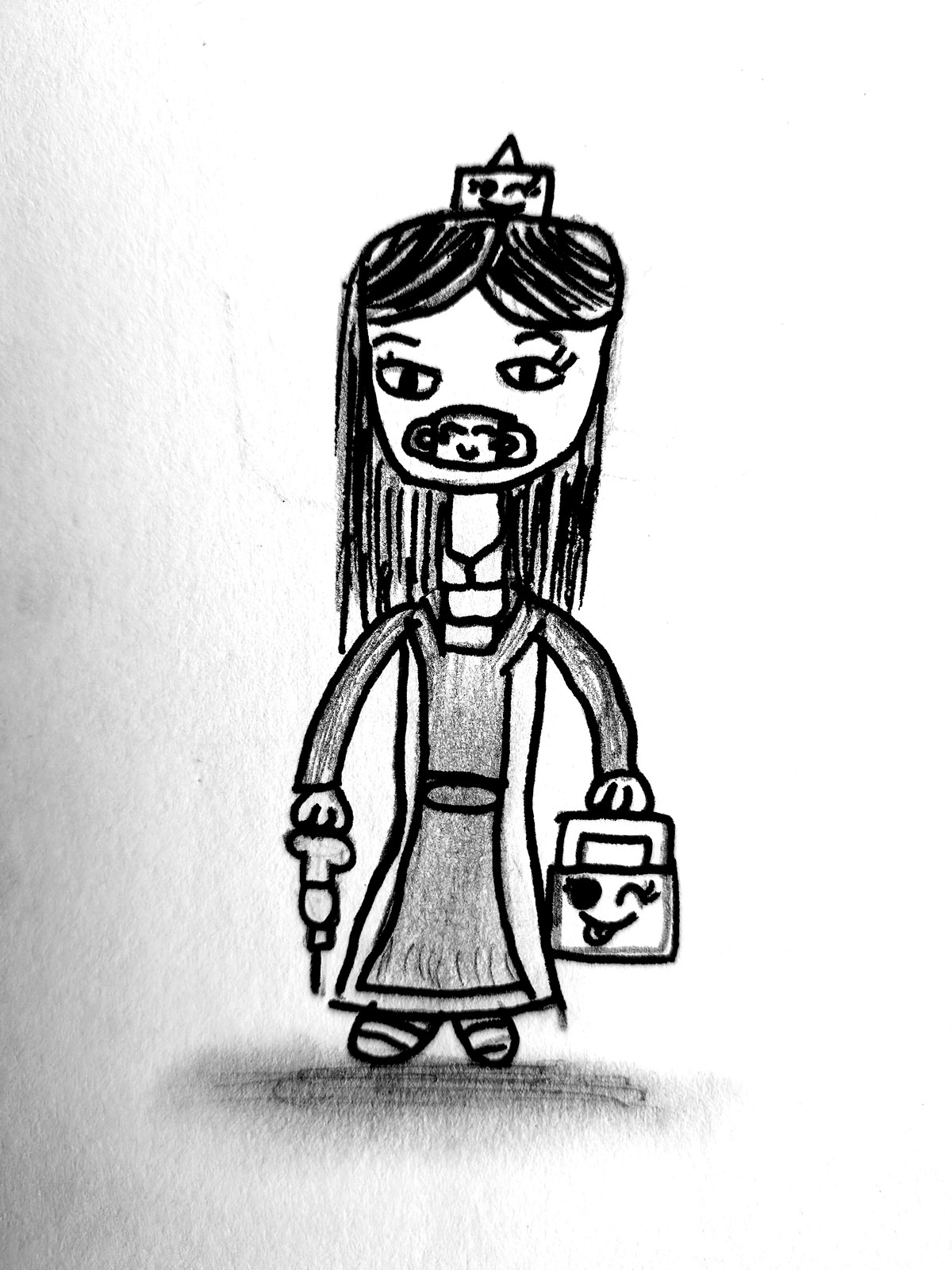
In 2020, during the Covid-19 pandemic, a nurse called Evelyn Charlotte Nakachwa worked at the Cumberland Infirmary through the worst of the crisis. Her nurse's scrubs — blue cotton top, trousers and face shield — are now in Tullie's collection. They are one of the most modern objects in the museum, and a reminder that the work that began here in 1830 has never stopped.
People to know
Richard Tattersall
Architect, 1830
Designed the original infirmary, funded by wealthy benefactors and made available to charity patients from the start. He also designed Carlisle's famous Shaddon Mill.
Emily Cummings
Matron, 1903–1911
Helped found the Royal College of Nursing — a national organisation that still represents nurses today. One of Carlisle's most important historical figures, though her name is little remembered.
Dr Josephine Ewbank
One of Cumbria's first female consultants, from 1948
A pioneer for women in medicine. When she retired, her colleagues gave her a silver-plated salver inscribed: "To Josephine with affectionate regard from her colleagues." It's now in Tullie's collection.
Evelyn Charlotte Nakachwa
Nurse during the Covid-19 pandemic, 2020
Worked at the Cumberland Infirmary through Covid. Her scrubs and face shield are preserved at Tullie — a record of a moment everyone lived through.