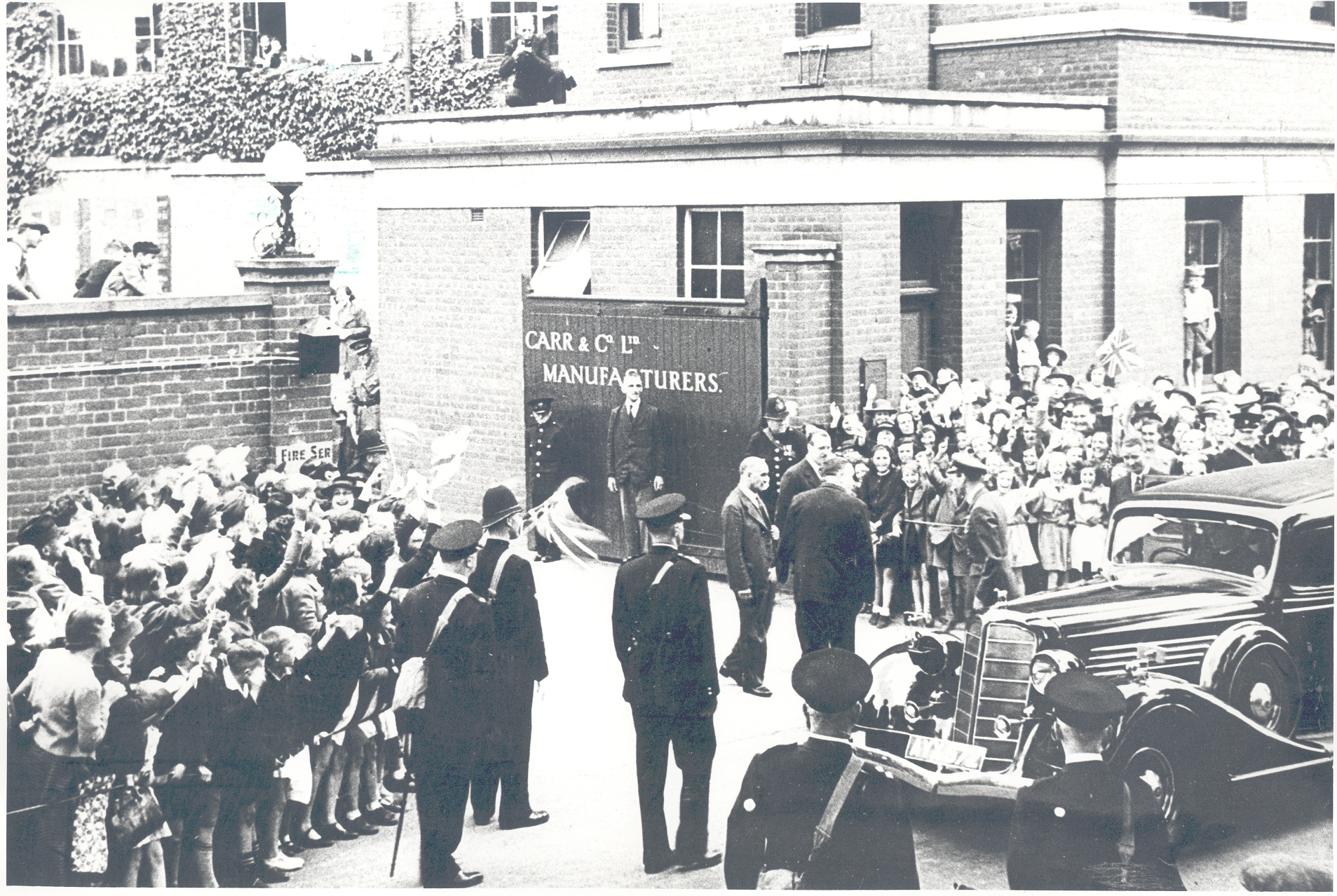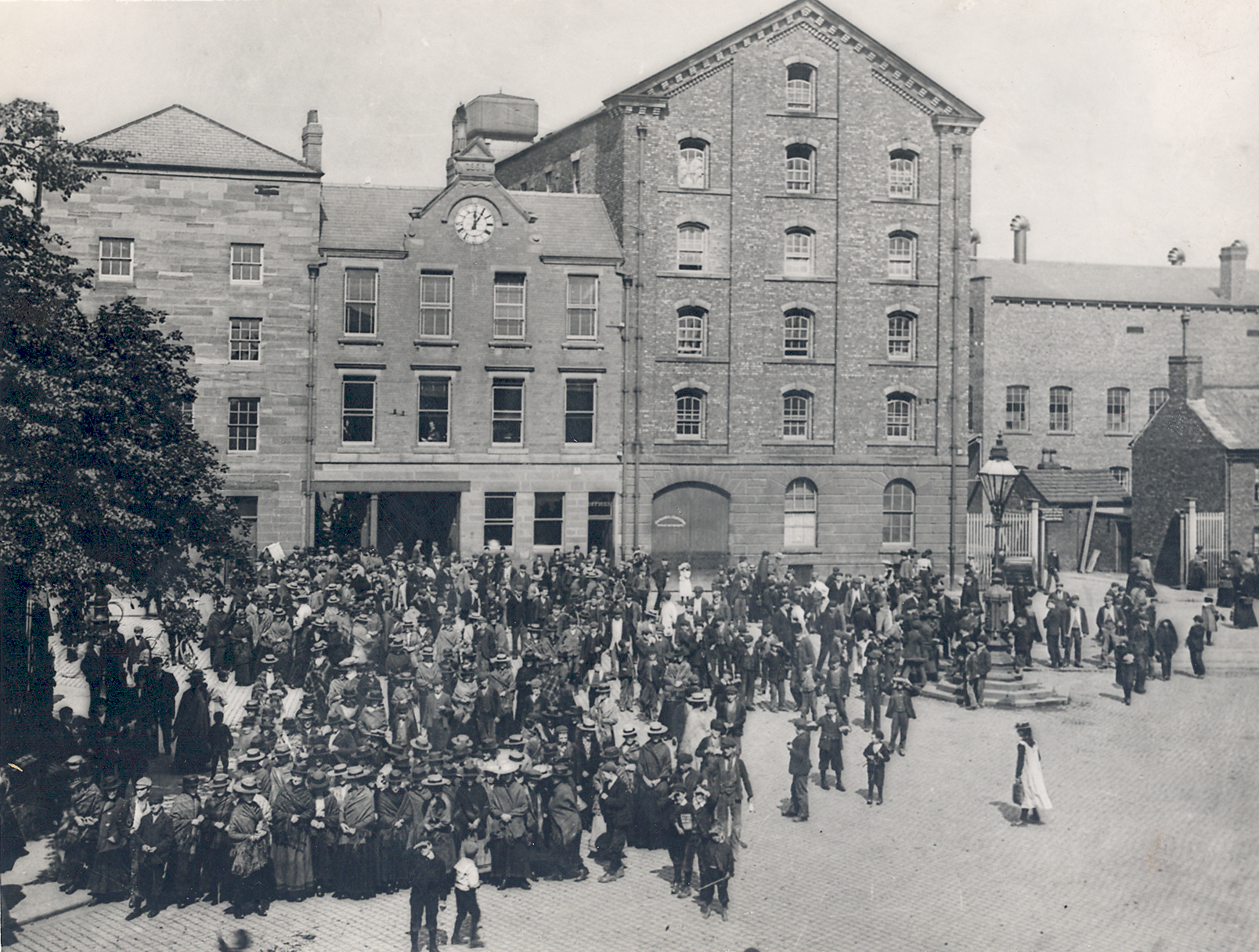

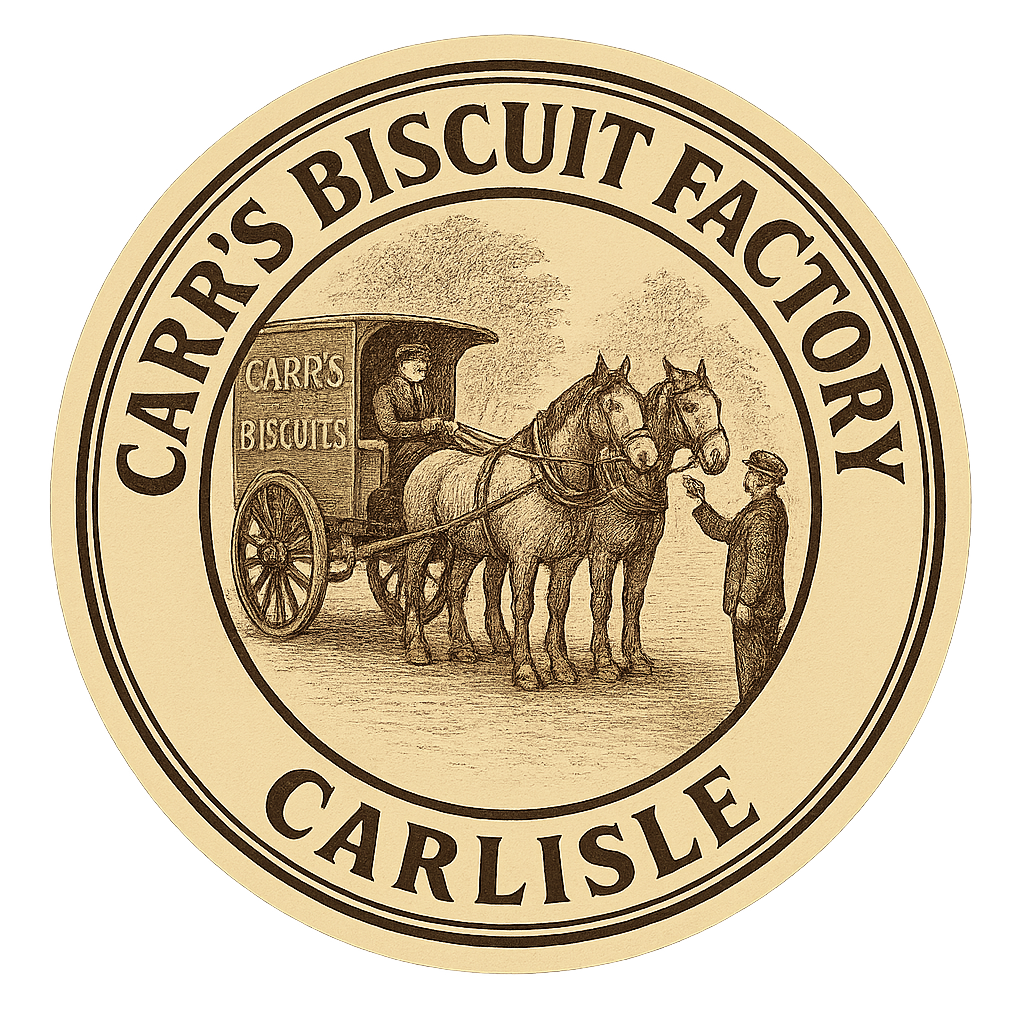
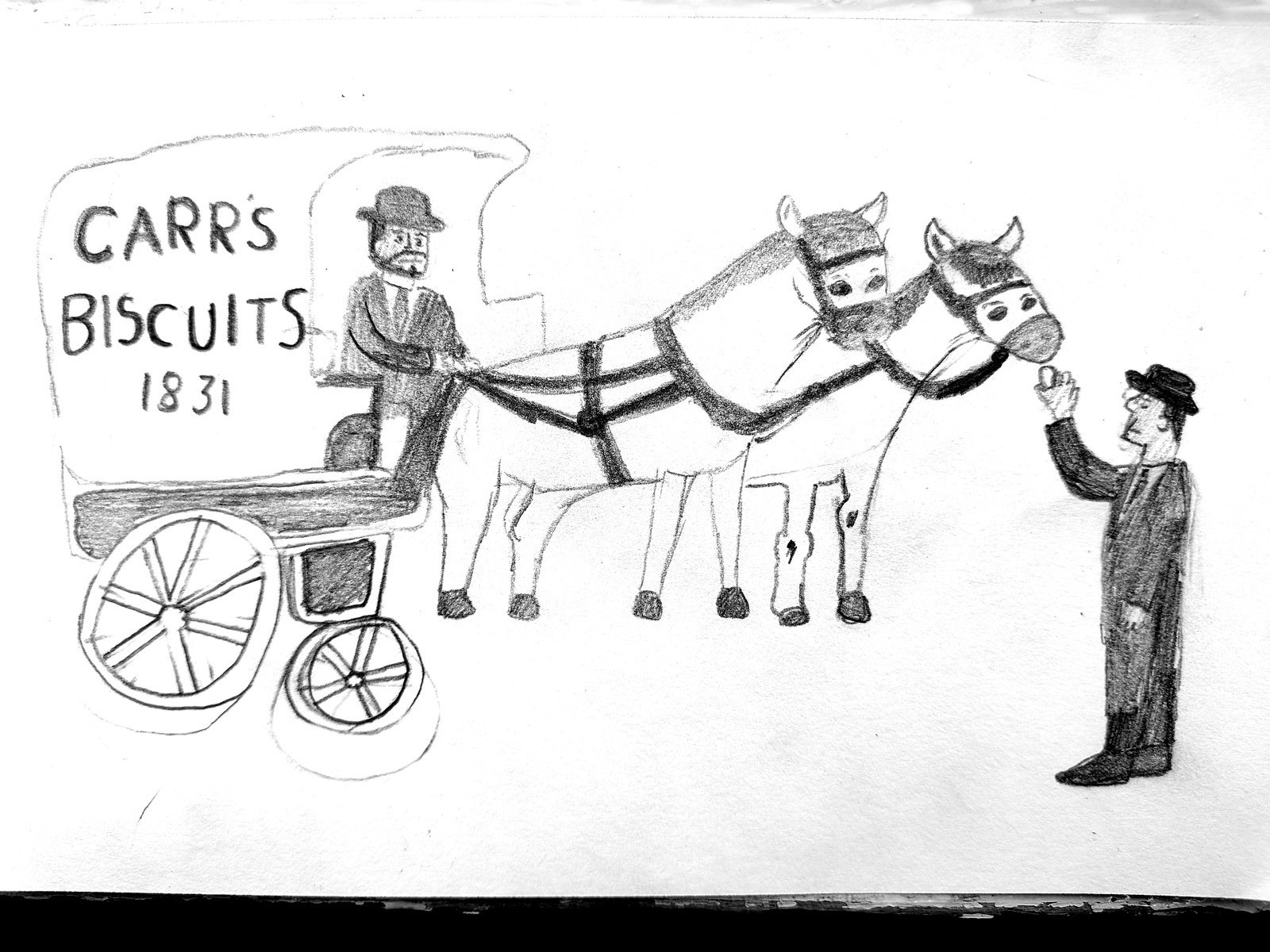
In 1831, a young Quaker called Jonathan Dodgson Carr opened a small bakery in Carlisle. Within fifteen years, it had become the biggest baking business in Britain. Queen Victoria sent him a Royal Warrant. His grandson invented the Table Water Biscuit. And the man himself was famous for one extraordinary little habit: he always kept sugar lumps in his pocket — in case he met one of his work horses on the street.
Jonathan Dodgson Carr
JD Carr — as he was usually known — opened his Carlisle biscuit factory in 1831. He was a young man, only twenty-five, but he had two big advantages: a sharp business mind, and strong Quaker beliefs that he carried with him into everything he did.
Quakers (members of the Religious Society of Friends) believed in honesty, peace, and treating workers fairly. At a time when most factory owners worked their employees to exhaustion in dangerous conditions, JD Carr did things differently. He built schools and houses for his workers, opened a Temperance Hall in 1861 where staff could learn and spend time, and even arranged for the hot wastewater from the factory's steam engines to be used for hot baths for his workers' families.
In Carlisle, where many families lived in cramped terraces without proper washing facilities, a free hot bath was a real gift.
The "Free" waistcoat
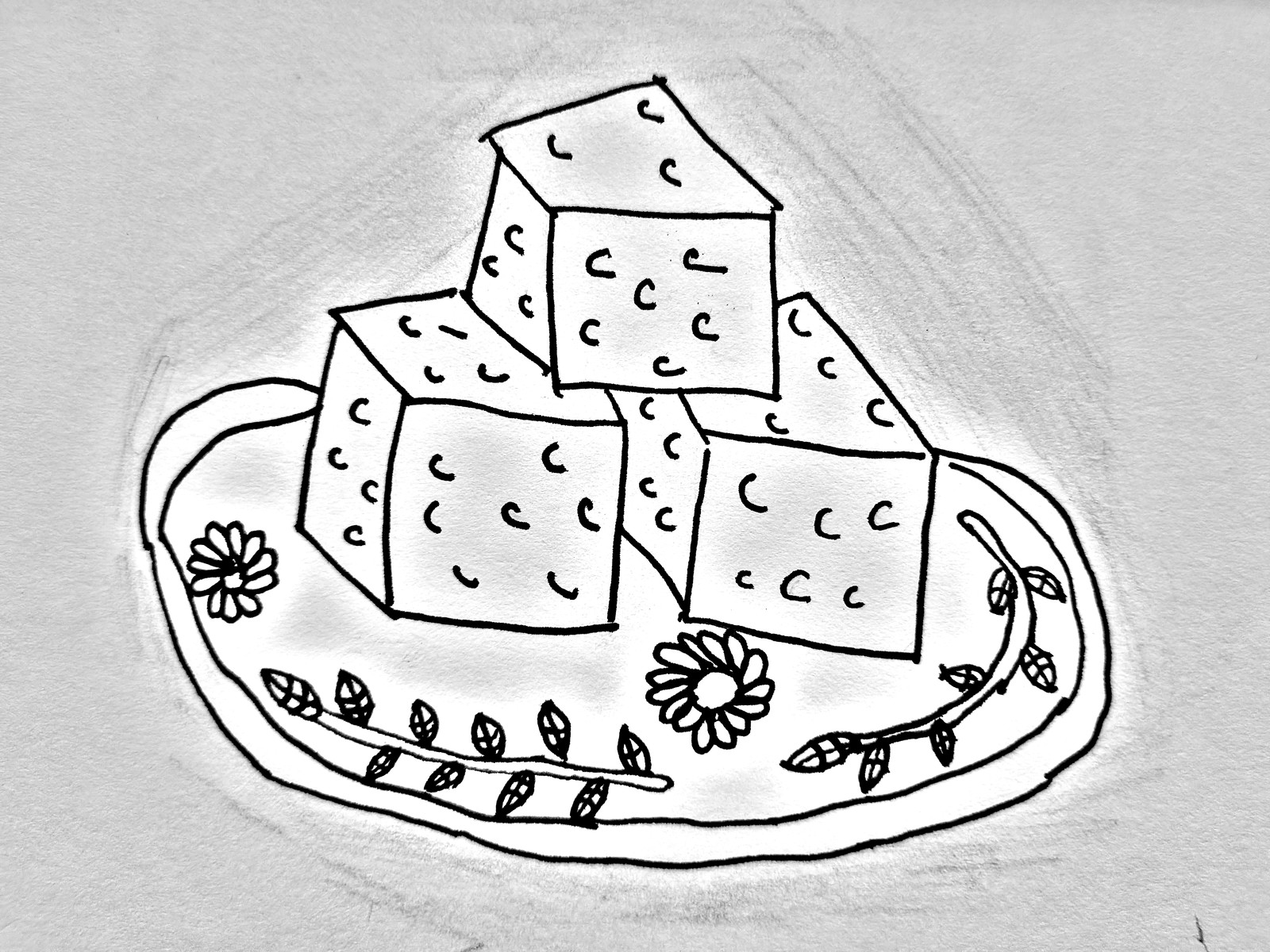
Tullie owns one of the strangest and most striking objects connected to JD Carr: his anti-Corn Law waistcoat. It is double-breasted, made of gold cotton velvet, and printed with little ears of corn — each one decorated with a small banner reading "Free."
In the 1830s and 1840s, Britain had laws called the Corn Laws that kept the price of bread artificially high to protect rich landowners. The poor suffered terribly. Many people campaigned to repeal them — and JD Carr was one of them. He wore this waistcoat as a public statement. When you see it today, you are looking at his protest, in cloth.
A Royal Warrant from Queen Victoria
In 1841, just ten years after the factory opened, something remarkable happened. Queen Victoria granted Carr's a Royal Warrant — a formal recognition that the company's biscuits were being used in the royal household. Carr's became one of the first biscuit makers in the country to be honoured this way.
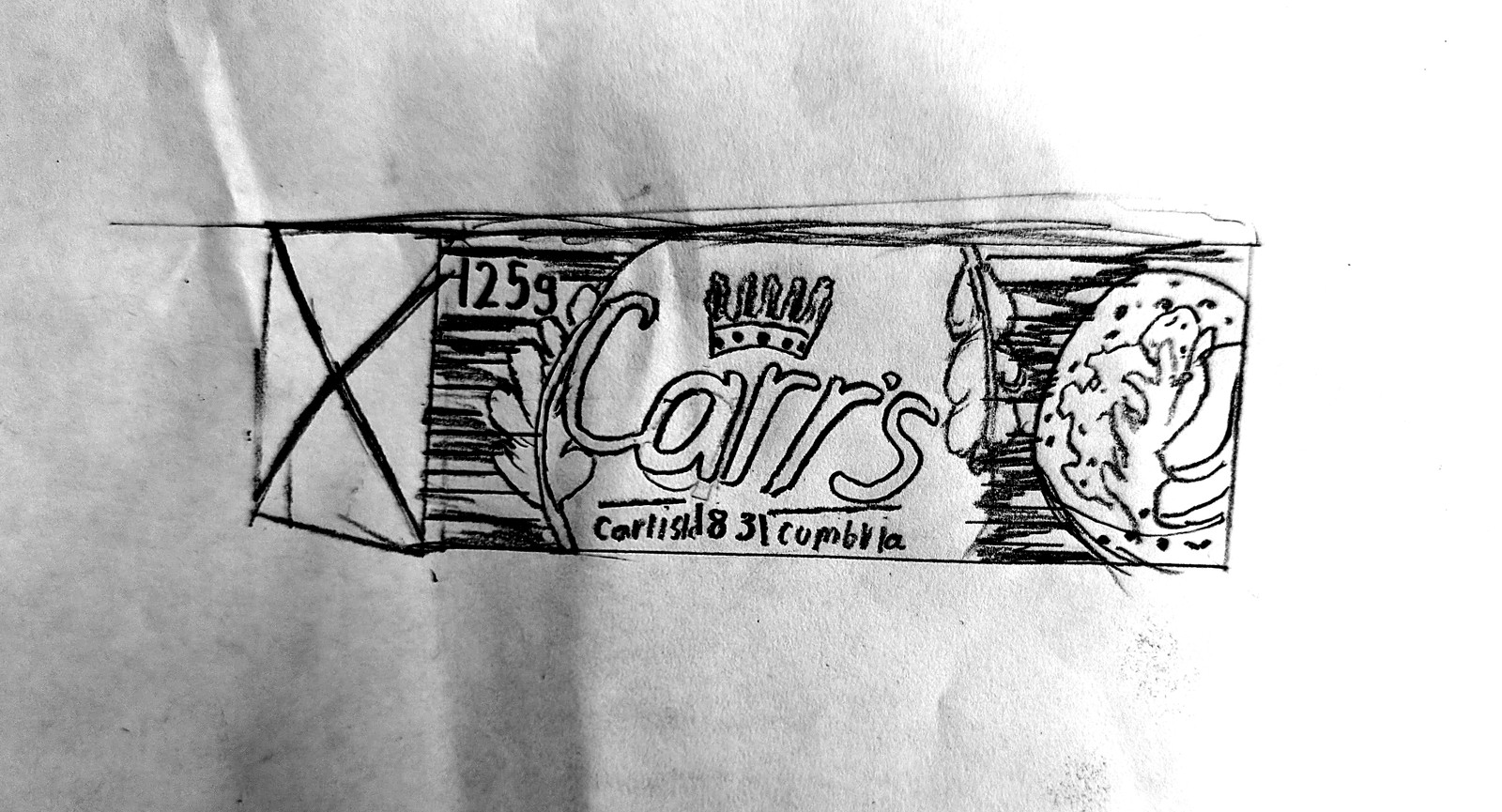
Tullie still has a biscuit tin from 1903 marked with the royal seal — a small, tangible piece of that royal connection. By the 1840s, Carr's had grown to become the largest baking business in Britain. The original Quaker shopkeeper had built an empire.
The workers' factory
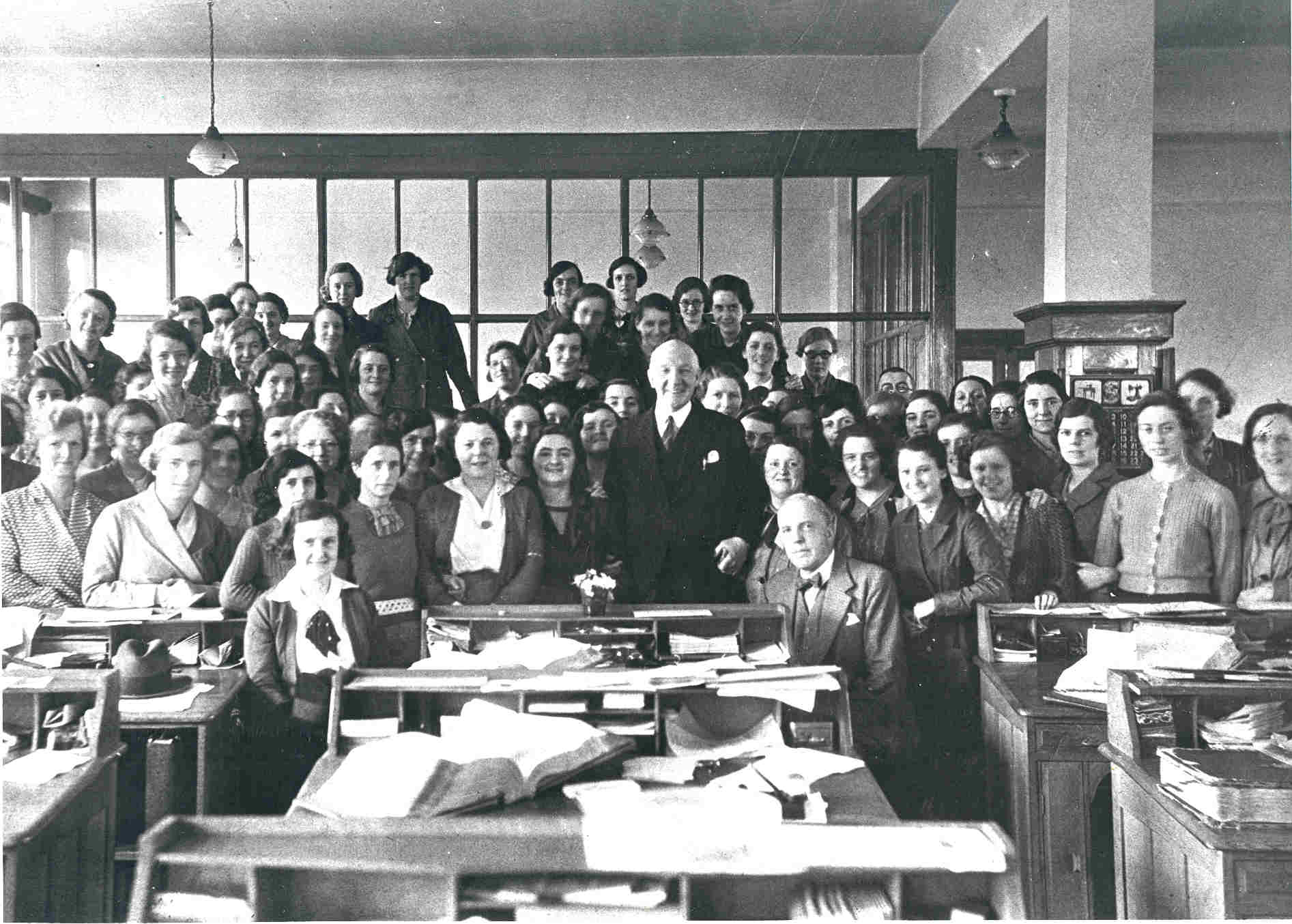
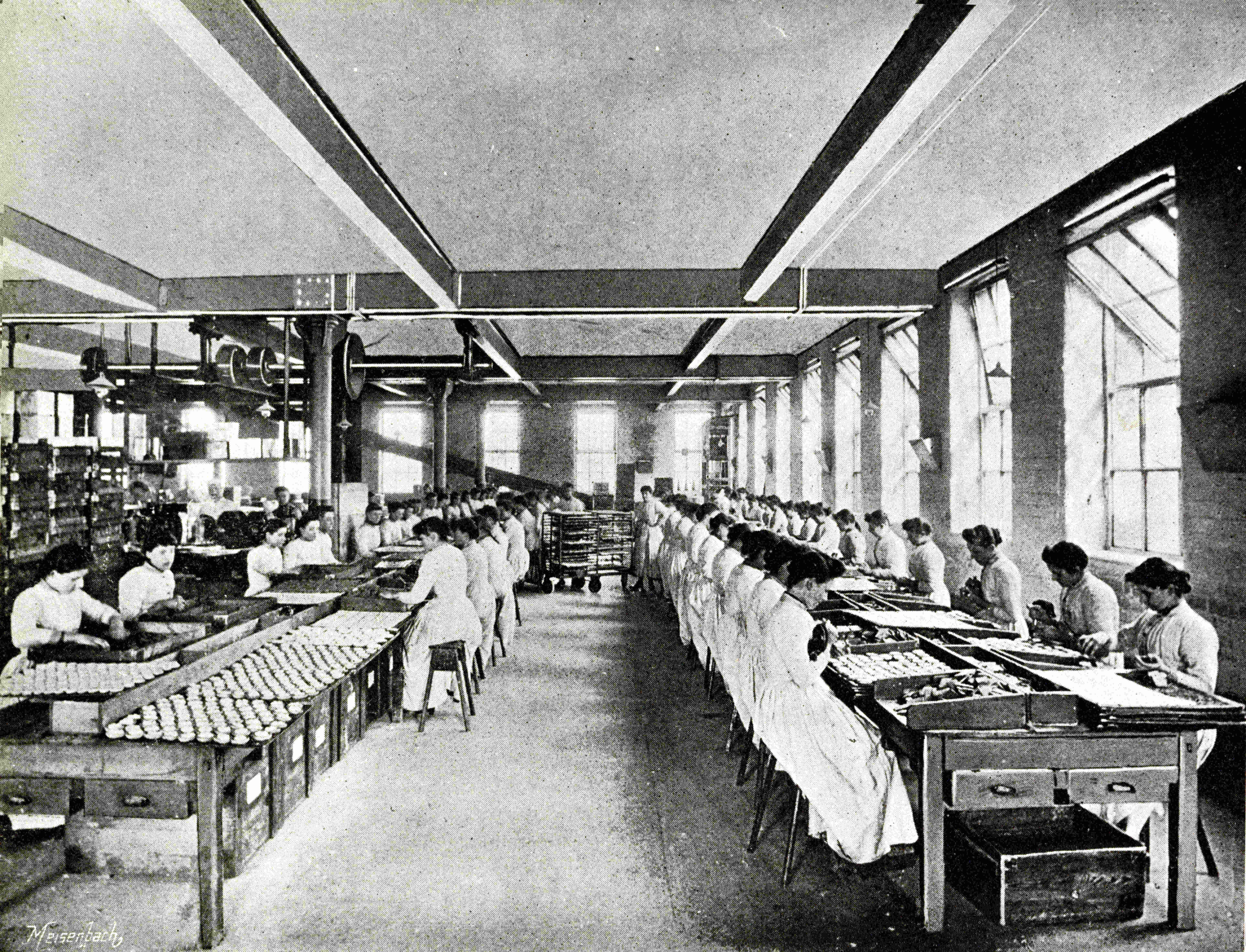
Carr's was not just a workplace. JD Carr's philosophy created a whole community around the factory:
There was a Carr's Brass Band (a photo from 1910 still exists), a Carr's Choral Society (also 1910), a Carr's Cricket Team in the 1930s, a Carr's Fire Brigade, even a Home Guard platoon during the Second World War. Apprentices were taken on camping trips in the company van, with their suitcases stacked on top. Pensioners were given trips and outings. The company produced its own magazine, Topper Off, from at least 1935.
During the First World War, when men were away fighting, women took over the work at the Carr's Flour Mill. Photographs from 1916–19 show them lined up proudly in their working clothes. And there were specialists with wonderful job titles, like Mr McBride — the Egg Breaker, whose job was exactly what it sounds like.
Fires, runaway wagons and other dramas
A factory this size, for this long, was bound to have its dramatic moments. In 1920, a major fire broke out and damaged the buildings — photographs of the aftermath are still in the museum.
But the most extraordinary incident came in 1937: a charabanc (a kind of open-top bus) parked at the factory was demolished by runaway railway wagons from the line that ran through the Carr's site. Tullie has not one but three photographs of the incident — the smashed charabanc, men clearing up the wreckage, and salvageable parts being pulled out. Mercifully, nobody appears to have been killed.
Theodore, Ron, and the family afterwards
JD Carr's family carried on the business and made their own marks on Carlisle. His grandson Theodore Carr became an MP for Carlisle and, more famously, invented the Carr's Table Water Biscuit — a cracker so successful you can still buy it in supermarkets today. Tullie has his top hat from around 1918, his wife Edith's wedding dress from their 1893 marriage, and a wedding hymn booklet from their service.
Another family member, Ron Carr, was photographed in 1895 on his steam car — which is said to have been the very first motor car ever driven in Scotland.
Carr's today
The Carr's biscuit factory is still here. It is now run by Pladis, a global food company — but it is still a Carlisle factory, still making biscuits, still employing local people. The Table Water Biscuit invented by Theodore Carr is still on its production lines. And the building itself, the rail siding, the surrounding houses that JD Carr built for his workers — all of these are still here, woven into the fabric of Carlisle.
People to know
Jonathan Dodgson Carr
Quaker founder, 1831
Opened the factory at age 25. Built schools, houses, a Temperance Hall and hot-water baths for his workers. Carried sugar lumps in his pocket for his work horses. Wore an anti-Corn Law "Free" waistcoat in protest at unjust laws.
Theodore Carr
MP for Carlisle, inventor of the Table Water Biscuit
JD's grandson. His invention is still in supermarkets today. Tullie has his top hat, his wife Edith's wedding dress, and the booklet from their 1893 wedding.
Ron Carr
First man to drive a motor car in Scotland
Photographed on his steam car in 1895 — believed to be the very first motorcar journey in Scotland.
Mr McBride
The Egg Breaker
A real Carr's job title from the old factory. Cracking eggs for the bakery was a full-time specialist role — a reminder of just how many people the factory employed for the most ordinary tasks.